Embroidery guide
A Short History of Embroidery: From Silk Robes to Your Child's Drawing
From ancient silk embroidery and the Bayeux Tapestry to children's samplers and modern machines: a brief, readable history of the art of stitching.
Embroidery is one of the oldest decorative arts there is. Long before printing, people were using needle and thread to put pictures, patterns, names and prayers onto cloth. The thread has changed, the needles have changed, and machines have arrived, but the impulse is the same: make this piece of fabric mean something.
Here's a brief tour through that history. It's not exhaustive (whole libraries exist on the subject), but it shows how a stitched drawing on a hoodie fits into a very long tradition.
Ancient beginnings
Embroidered textiles survive from ancient times in many parts of the world. Fabric decays easily, so what we have is only a fraction of what was made, but archaeologists have found decorated textiles across Asia, Africa, Europe and the Americas.
China has one of the longest and richest embroidery traditions. Silk embroidery there developed into a highly refined art, with regional schools that became famous for their techniques. Suzhou embroidery, for example, is renowned for fine stitches so delicate they can look painted.
Stories told in thread: the Bayeux Tapestry
One of the most famous embroideries in the world isn't actually a tapestry. The Bayeux Tapestry, made in the eleventh century, is a long strip of linen embroidered with wool. It tells the story of the Norman conquest of England in 1066, in scene after scene: ships, horses, battles, feasts, even a comet.
It's a reminder that embroidery has always been a way of telling stories, not just decorating.
Medieval luxury
In medieval Europe, embroidery was a luxury art. English embroidery of the period, known as Opus Anglicanum ("English work"), was prized across Europe and used for church vestments, with gold and silver thread and astonishing detail.
Embroidery signaled wealth and status. Coats of arms, monograms and elaborate patterns on clothing told the world who you were.
Folk embroidery: every region its own style
Alongside luxury work, ordinary people embroidered their own clothing and household linens, and distinctive regional styles developed all over the world. A few examples:
- Mexico, where brightly colored floral embroidery decorates blouses and dresses
- Hungary and Eastern Europe, with richly colored folk motifs
- India, home to many traditions, including phulkari from Punjab and chikankari from Lucknow
- Japan, where sashiko, a running-stitch technique, was used to reinforce and mend fabric and became an art in itself
Folk embroidery often carried meaning: symbols for protection, fertility, family or region. A garment could tell you where someone was from.
Samplers: children learning to stitch
Here's a part of embroidery history that connects directly to children. For centuries, especially in Britain and America from the seventeenth to the nineteenth century, girls learned to embroider by stitching samplers: rectangles of linen covered in alphabets, numbers, verses and small motifs.
A sampler was practice, but it was also a record. Many include the child's name and age, and the year it was made. Today, museums and families keep samplers stitched by children long ago, and they're remarkably moving to look at: a child's careful letters, a little house, a border of flowers, and the words "aged 9."
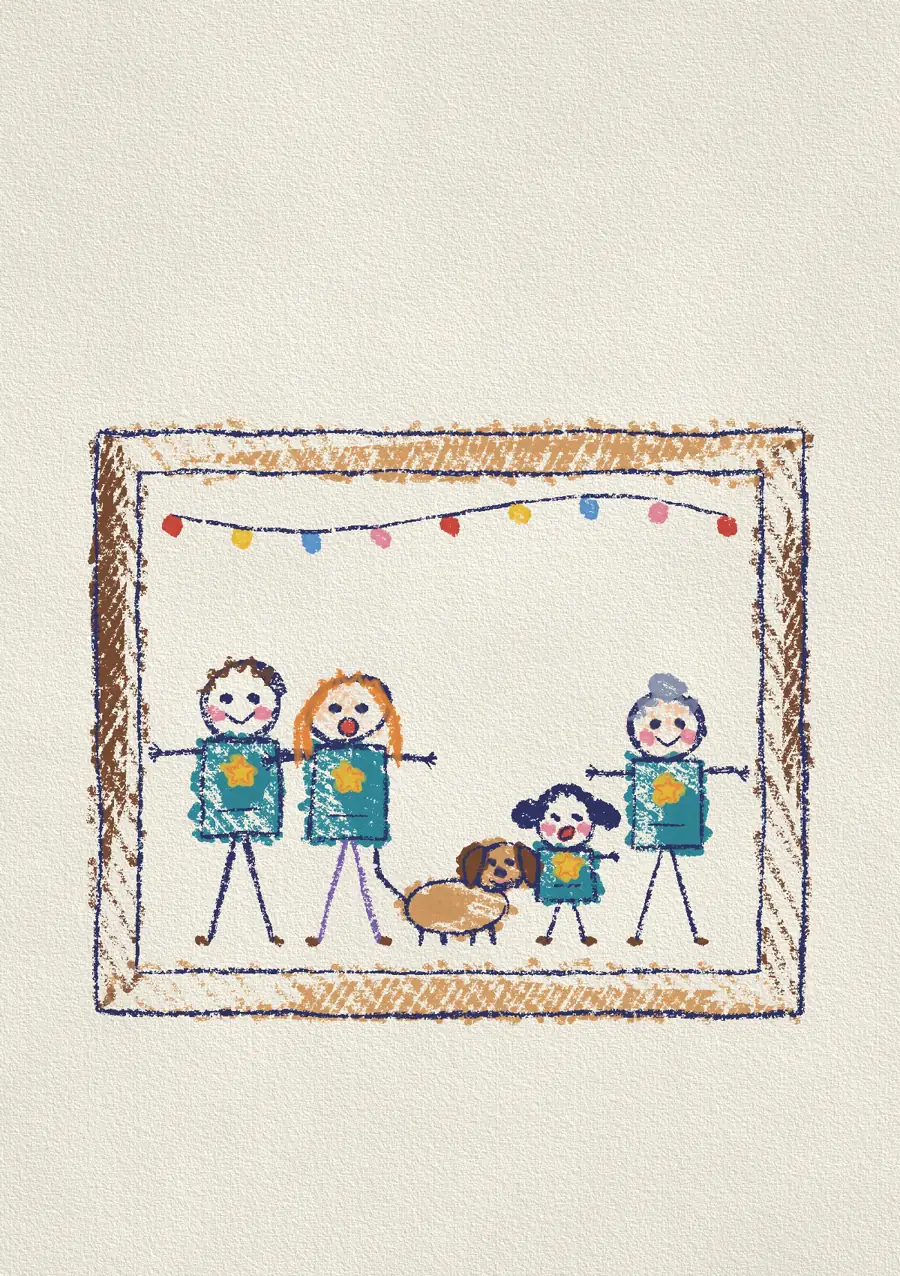
In a way, a child's drawing embroidered on clothing continues that tradition. It's a record of a child at a particular age, stitched to last.
The machine age
The nineteenth century brought machines. Inventors developed machines that could reproduce embroidery much faster than hand work, and an embroidery industry grew up, with eastern Switzerland's St. Gallen region becoming famous for machine-made embroidery and lace.
Embroidery became more widely affordable. Embroidered trims, collars and decorations appeared on everyday clothing.
The computer era
In the late twentieth century, computer-controlled embroidery machines changed things again. Designs could be digitized into stitch files, stored and reproduced precisely. Multi-needle machines switched colors automatically.
That made custom embroidery practical: team logos, company polos, names on caps and, eventually, one-of-a-kind pieces made from a single drawing.
Hand and machine today
Hand embroidery has never gone away. It's thriving as a hobby and an art form, valued for its slowness and individuality. Machine embroidery serves a different purpose: precision, durability and making a design available on everyday clothing.
Both share the same roots: thread, fabric, and the wish to make something personal and lasting.
Where children's drawings come in
Throughout history, embroidery has recorded what people valued: their faith, their family, their status, their home. A child's drawing fits naturally into that tradition. It records how a child saw the people they love, at one particular age.
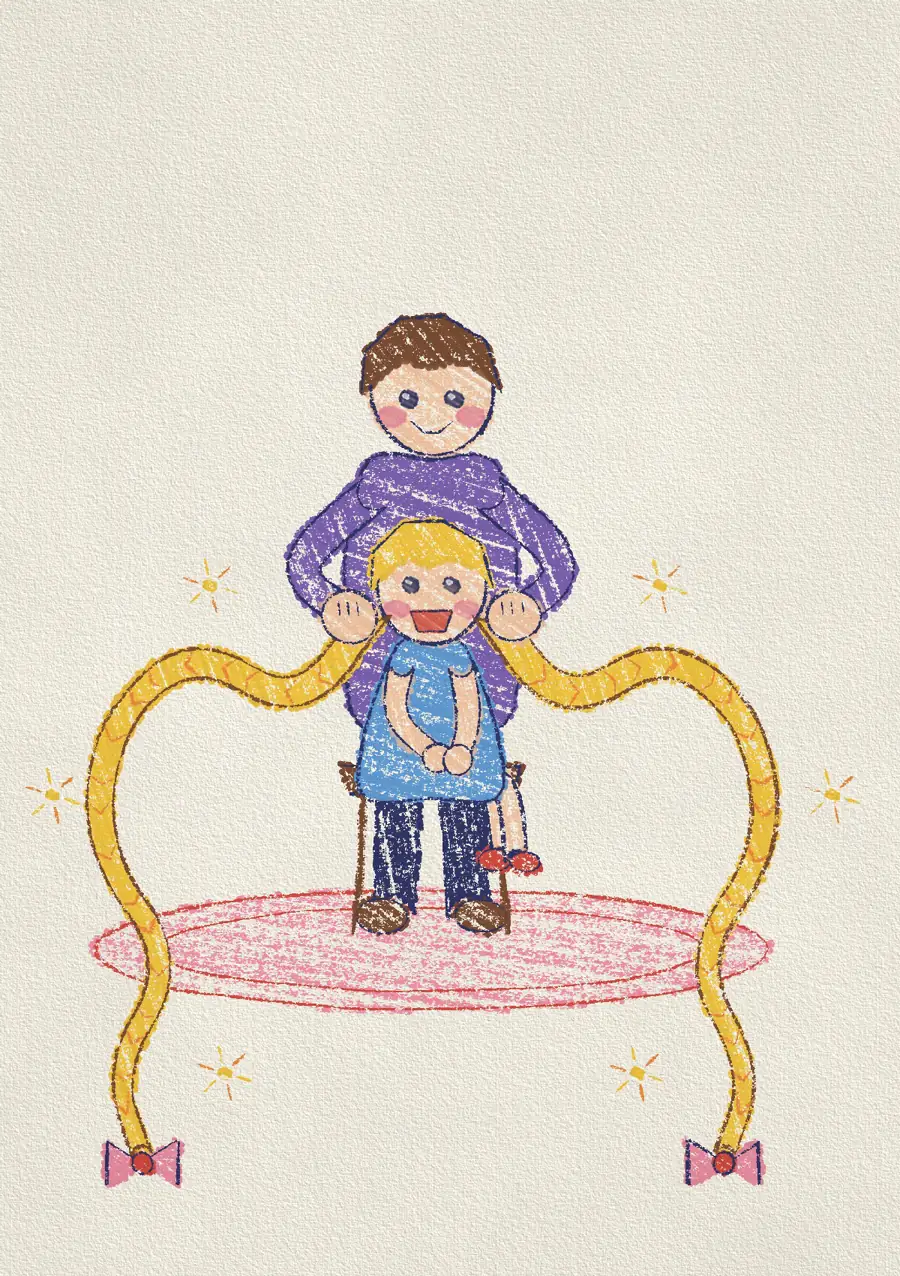
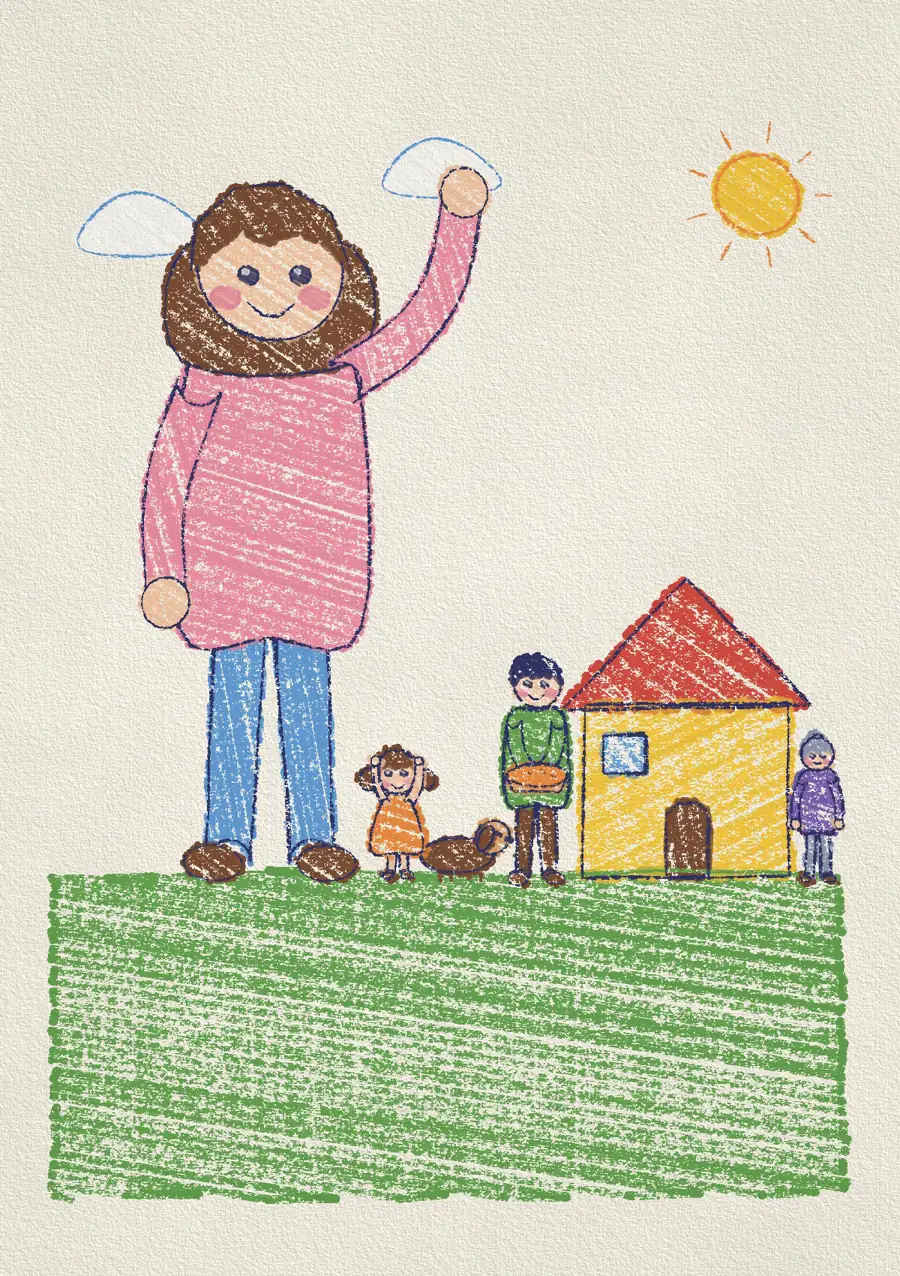
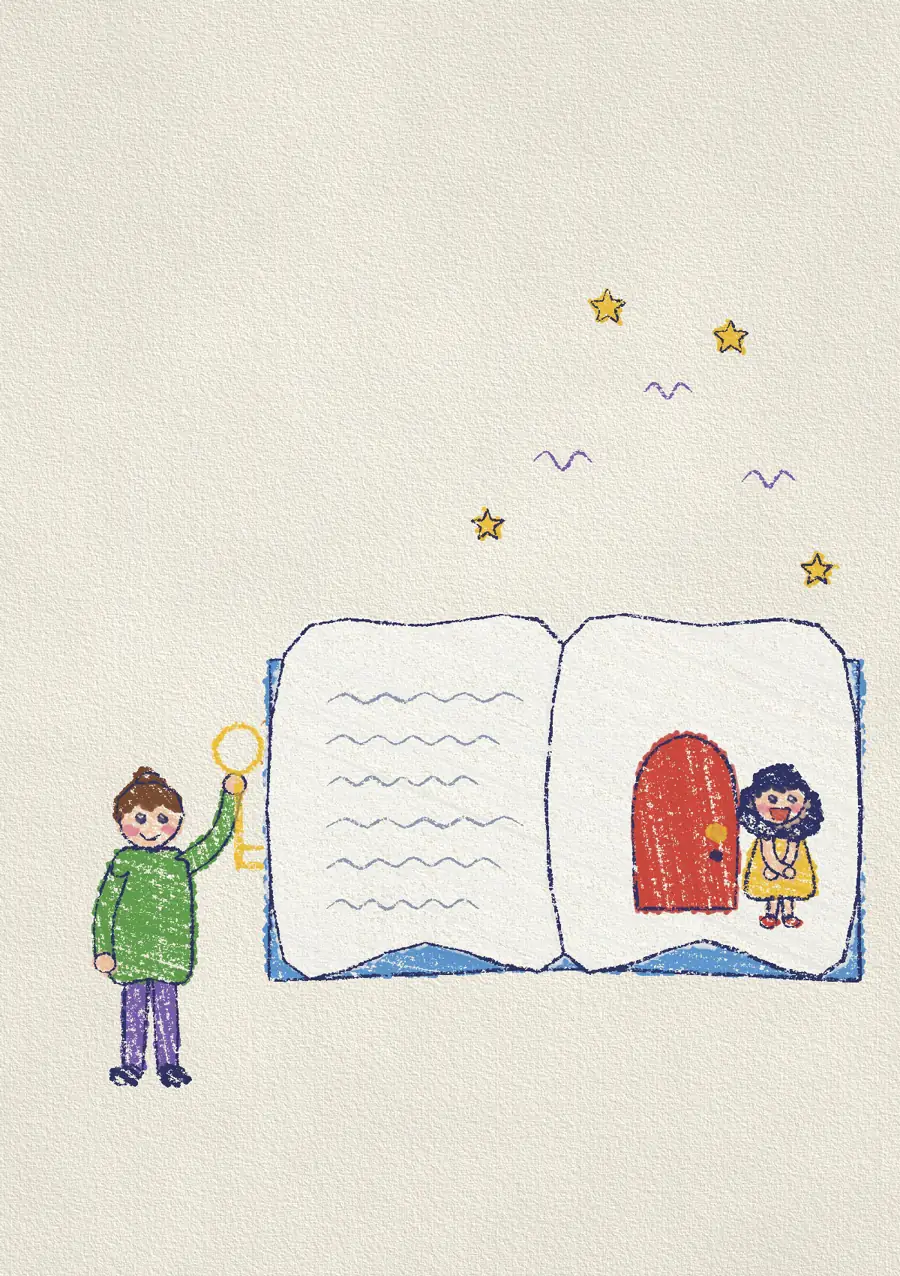
At ANORA, we embroider children's drawings on hoodies and T-shirts, keeping each line as the child drew it. Our film One Scarf for Everyone is about a great-grandma who knitted for the whole family. Our film The Key to Every Book is about a child's drawing of the teacher who taught her to read. And You Kept It? is about a drawing that outlasted childhood.
You can upload a drawing here and see a preview before ordering.
Frequently asked questions
How old is embroidery?
Embroidery is ancient. Decorated textiles survive from ancient civilizations in many parts of the world, and the craft was likely practiced even earlier than the surviving examples show.
Is the Bayeux Tapestry embroidery?
Yes. Despite its name, it's an embroidery: wool thread stitched onto linen, made in the eleventh century.
What is an embroidery sampler?
A piece of fabric on which someone, often a child learning to sew, practiced stitches, alphabets, numbers and motifs. Many historical samplers include the maker's name and age.
When did machine embroidery start?
Embroidery machines were developed in the nineteenth century, and computer-controlled machines became widespread in the late twentieth century.