Embroidery guide
How Long Does Embroidery Last? What Makes It Durable, and What Wears It Out
Why embroidery usually outlasts printed designs, what wears it out, how to spot well-made embroidery, and how to make an embroidered keepsake last.
If you've ever owned a printed T-shirt that cracked and peeled after a year, you know how disappointing it is when a design you love fades away. So it's reasonable to ask, before you order something embroidered, especially something sentimental: how long will this last?
The honest answer: with reasonable care, embroidery is one of the most durable ways to decorate clothing, and often outlasts the garment itself. Here's why, and what affects it.
Why embroidery is so durable
It's part of the fabric
A print sits on top of the fabric or soaks into its surface. Embroidery is thread sewn through the fabric, locked in place with a second thread from underneath. There's no coating to crack, no film to peel.
Thread is made for it
Polyester embroidery thread, widely used on clothing, is strong and colorfast, meaning it resists fading in the wash. It's designed to stand up to high-speed machines, so ordinary wear is well within its limits.
Stabilizer supports it
Most machine embroidery has a stabilizer backing behind the design. It keeps the stitched area firm and helps it hold its shape through wear and washing.
Embroidery vs. print: how they age
| Embroidery | Typical print | |
|---|---|---|
| Common wear | Slight fuzzing, softening of sheen | Fading, cracking, peeling |
| Washing | Holds color well with cool washes | Can fade over many washes |
| Heat | Avoid ironing directly on it | Some prints can melt or crack |
| Overall | Often lasts as long as the garment | Varies widely by method and quality |
Prints have improved a lot, and good-quality printing can last well too. But for a keepsake, embroidery's durability is a big part of its appeal.
What can wear embroidery out
Embroidery is tough, not indestructible. The usual culprits:
- Abrasion. Rubbing against zippers, Velcro, rough surfaces or backpack straps can fuzz the thread over time.
- Snags. Long, loose stitches can catch on jewelry, pets' claws or rough edges.
- High heat. Hot dryers and direct ironing can shrink the fabric around the stitches, causing puckering, and can damage synthetic thread.
- Harsh chemicals. Chlorine bleach can weaken and discolor thread.
- Garment wear. Sometimes the fabric itself wears thin before the embroidery does.
Signs of well-made embroidery
You can often tell quality just by looking and touching:
- Dense, even coverage, with no fabric showing through filled areas (unless intended)
- Smooth, flat stitching without puckering around the edges
- Clean edges where colors meet
- No loose loops or long jump threads left on the surface
- A neat backing on the inside, trimmed close to the design
Good digitizing, the preparation of the design for stitching, plays a big role. Stitches that are well-balanced and properly supported last much longer than ones that are too loose or too dense.
How to make embroidery last as long as possible
- Wash inside out, in cold or cool water
- Use a gentle cycle and a mild detergent
- Skip the bleach
- Air dry, or tumble dry on low
- Don't iron directly on the design; iron inside out on a towel
- Wash separately from zippers and Velcro
- Store folded, in a clean, dry place
For more detail, see our guide to washing embroidered hoodies and T-shirts.
Does embroidery fade?
Quality polyester thread is very colorfast and holds its color well through many washes. The garment fabric may fade or soften faster than the thread, especially garment-dyed or naturally dyed cotton, which is known for gaining a softer, lived-in look over time. Cool washing and line drying slow fading for both.
Why durability matters for keepsakes
When a design is a logo, it's easy to replace. When it's a drawing your child made at five, it isn't. The drawing captures one specific age, one way of seeing the world, and it never comes back.
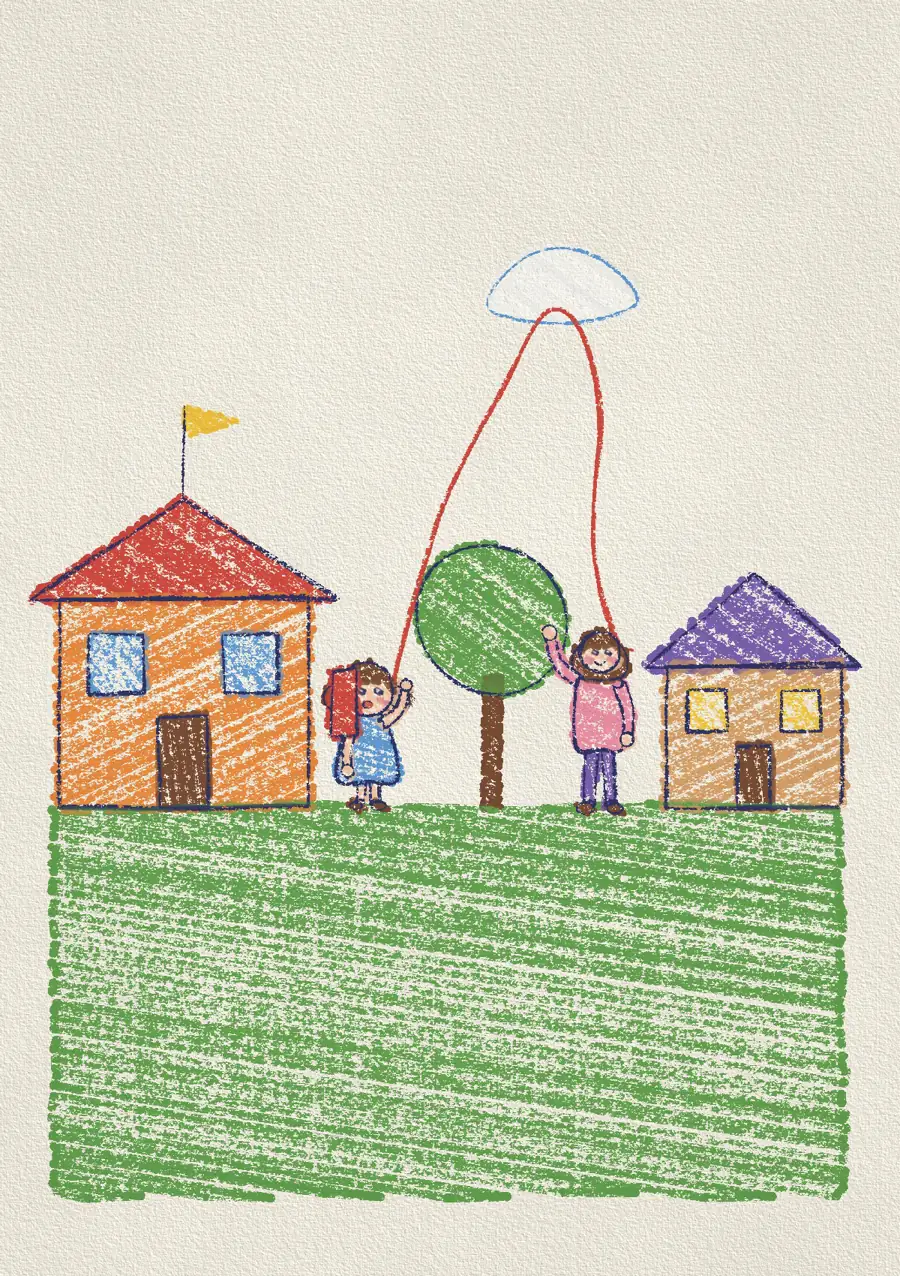
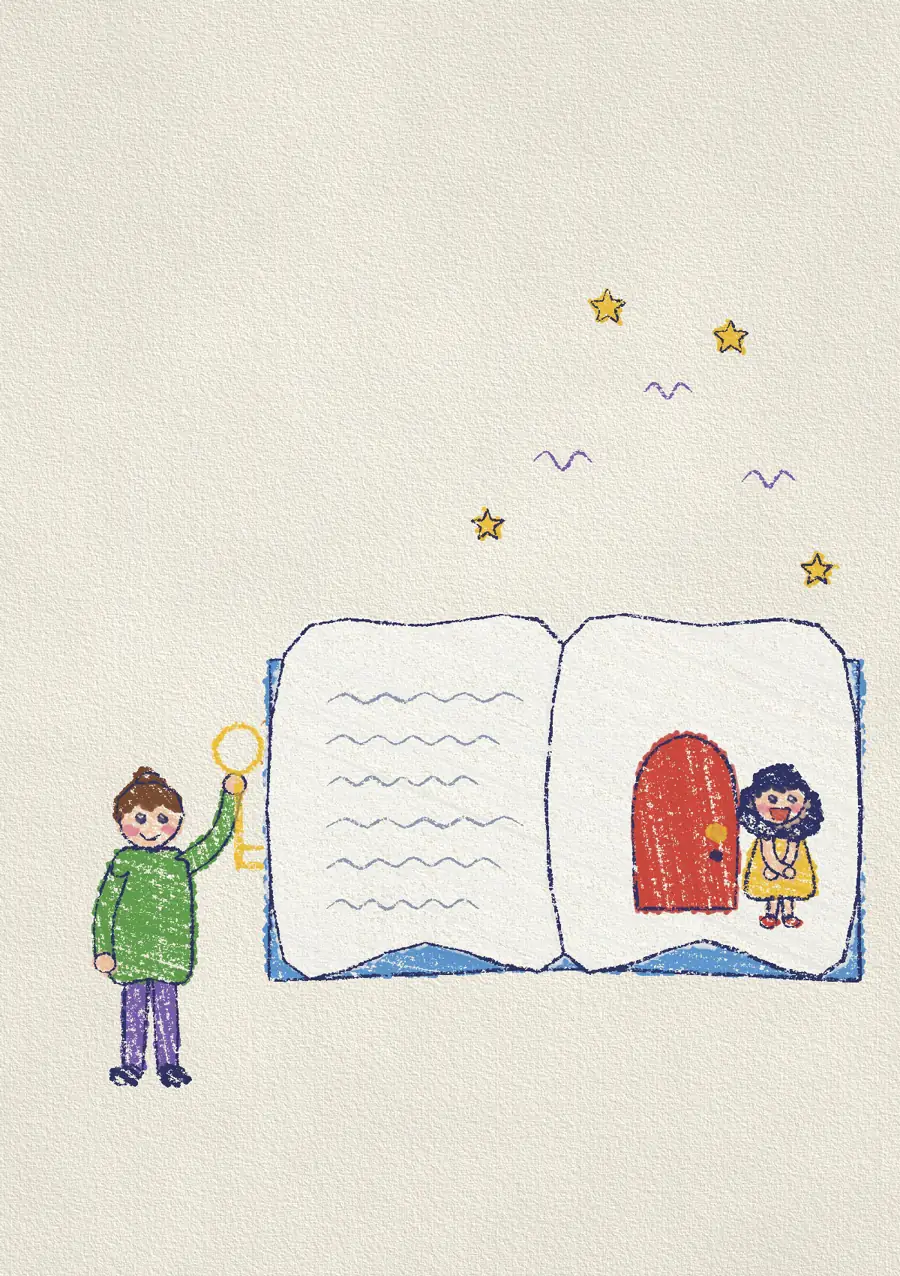
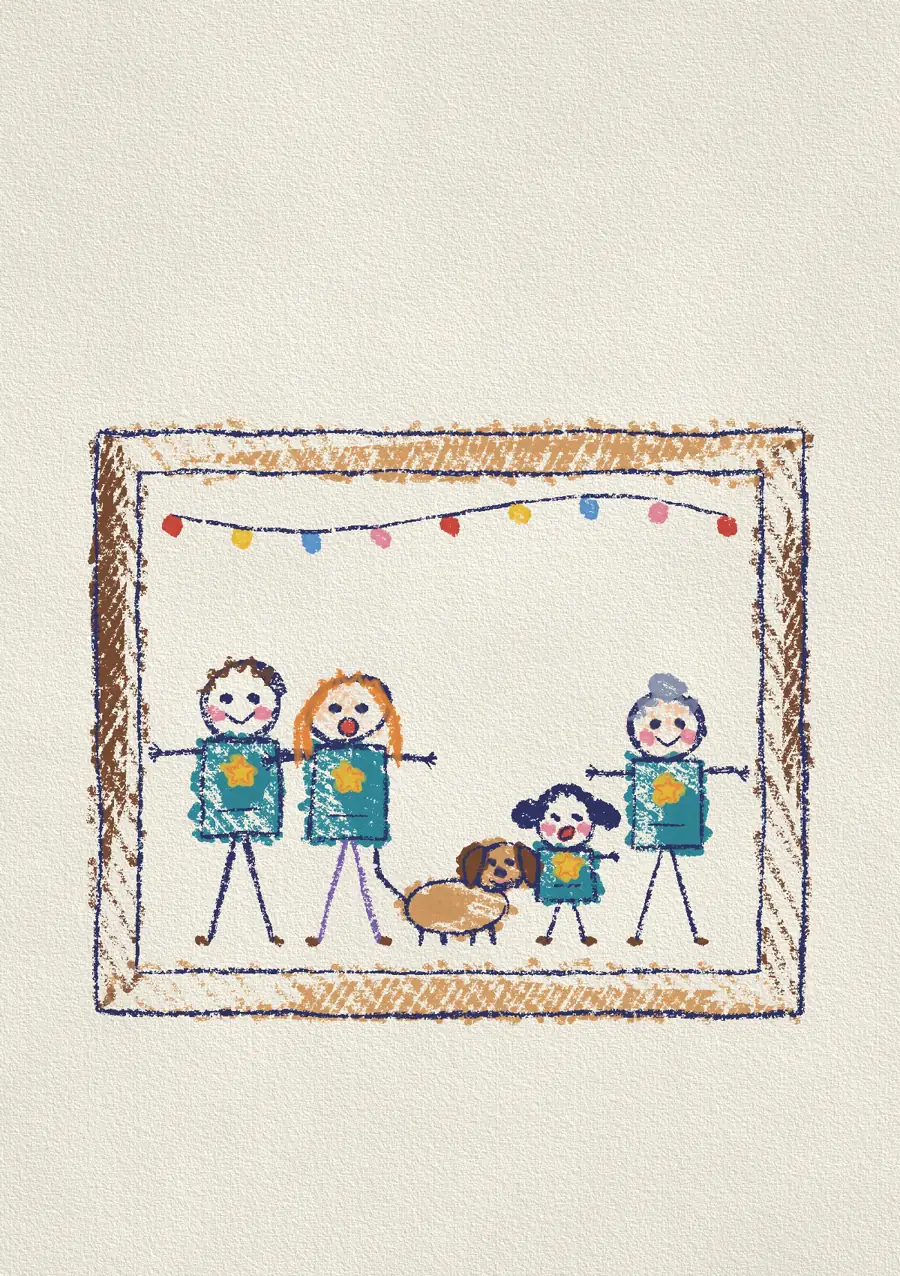
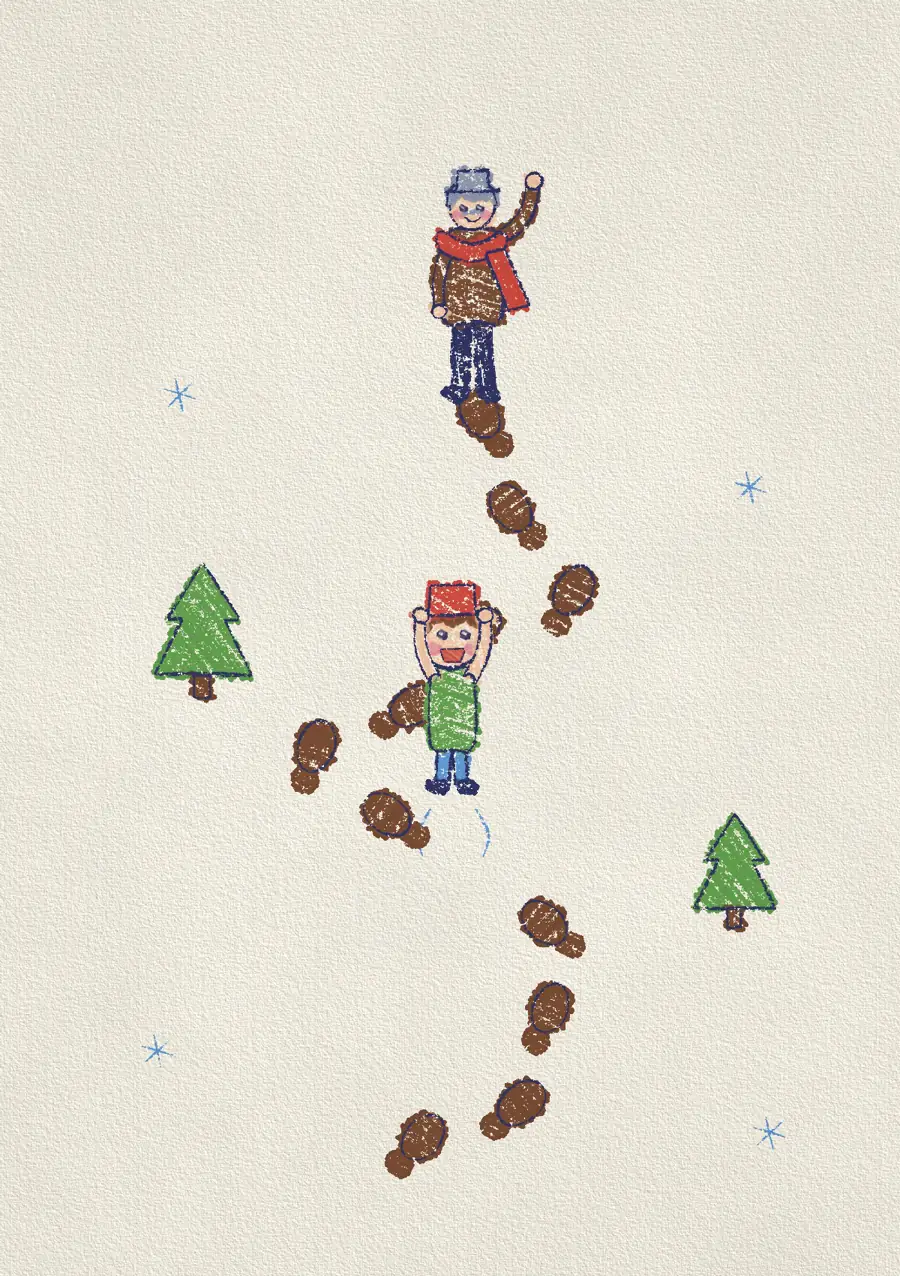
That's why we embroider children's drawings at ANORA rather than print them. We want the drawing to keep up with the life of the person wearing it. Our film You Kept It? is about a drawing a boy made at five, found again at sixteen. Our film Grandpa's Footprints is about a child jumping into grandpa's footsteps in the snow, the kind of image a family wants to keep. And The String is about a first-day-of-school drawing every mom would want to hold on to.
You can upload a drawing here and see a preview on a hoodie or a T-shirt before ordering.
Frequently asked questions
How long does embroidery last on a shirt?
With reasonable care, embroidery often lasts as long as the garment itself. Durability depends on thread quality, how well the design is stitched, and how it's washed and dried.
Does embroidery last longer than screen printing?
Generally, embroidery is more resistant to cracking, peeling and fading. Good screen printing can also last a long time, but embroidery doesn't have a surface layer to wear off.
Can embroidery come undone?
Machine embroidery uses locked stitches, so it doesn't unravel easily. A snag can pull a loop of thread; trim or gently work it back rather than pulling.
Does washing ruin embroidery?
No, as long as you wash with care: inside out, cool water, gentle cycle, no bleach and low or no heat in drying.