Embroidery guide
Embroidery vs. Screen Printing vs. DTG vs. Heat Transfer: Which Is Best?
How the four main ways to put a design on a shirt compare: look, feel, durability, detail and cost. Which suits a logo, a photo or a child's drawing.
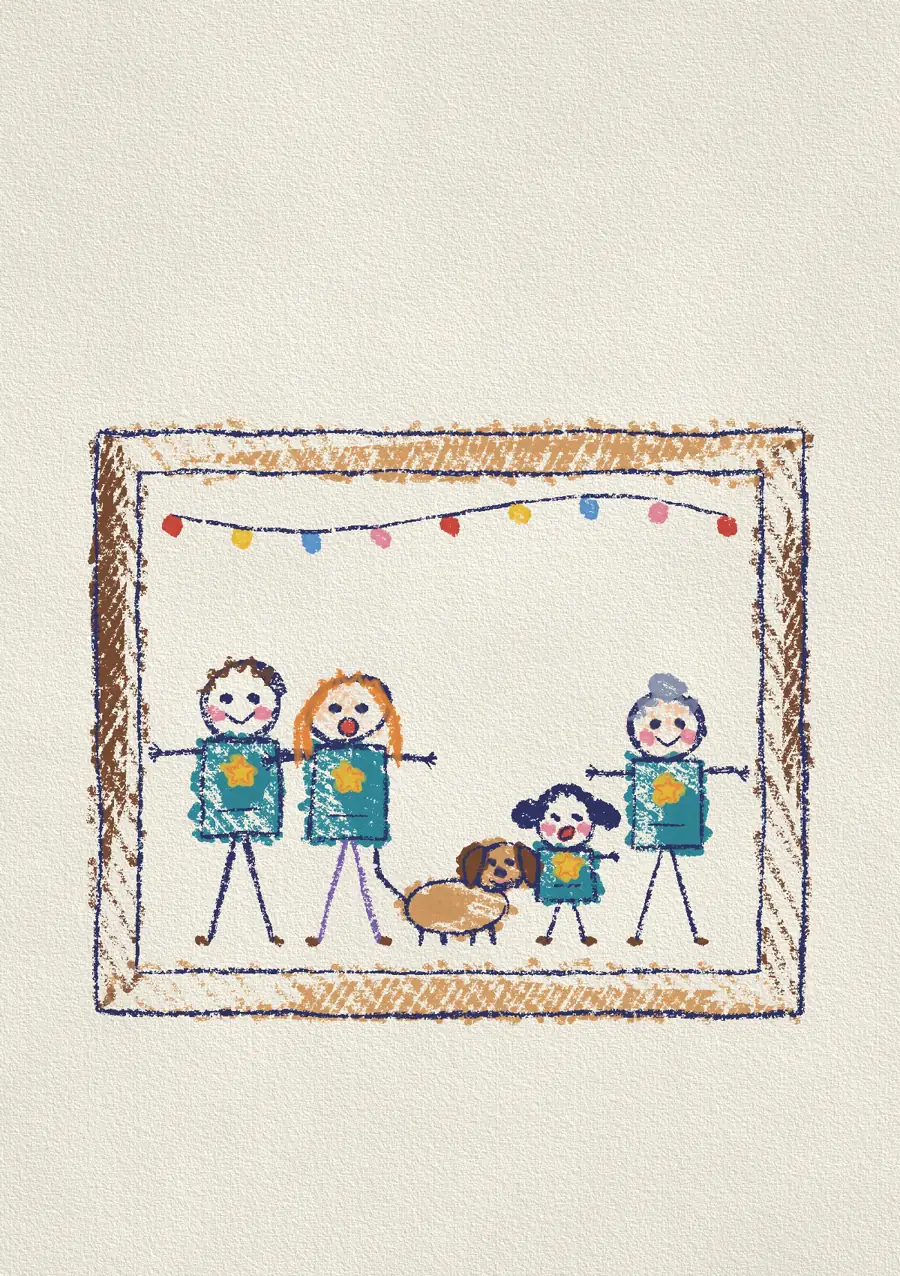
You have a design, maybe a logo, a slogan, or your kid's drawing of the family dog, and you want it on a shirt or a hoodie. Then you discover there are at least four very different ways to do it, each with its own fans and its own jargon.
Here's a plain-language comparison of embroidery, screen printing, direct-to-garment (DTG) printing and heat transfer: how each works, what it's good at, and how to choose.
The four methods at a glance
| Embroidery | Screen printing | DTG | Heat transfer | |
|---|---|---|---|---|
| What it is | Thread stitched into fabric | Ink pushed through a mesh screen | Ink printed into fabric by a special printer | A printed film pressed on with heat |
| Look | Raised, textured, dimensional | Bold, flat, vivid | Flat, detailed, photo-capable | Smooth, slightly glossy layer |
| Feel | Thick, structured | Thin to medium layer | Soft, close to the fabric | Can feel like a sticker |
| Fine detail | Limited by thread thickness | Good | Excellent | Good to excellent |
| Many colors | Limited palette | Each color adds a screen | Unlimited | Unlimited |
| Durability | Very high | High | Medium to high | Varies |
| Best for | Logos, keepsakes, premium pieces | Large batches, simple designs | One-offs, photos, gradients | Names, numbers, small runs |
Embroidery
How it works
An embroidery machine stitches thread directly into the fabric, following a stitch file that's been carefully prepared from the design. A process called digitizing turns artwork into a map of stitches: where each one goes, in what direction, in what order, and in which color.
Strengths
- Texture and depth. Embroidery is the only method of the four that adds a physical, raised element. You can feel it with your fingers.
- Durability. The design is made of thread sewn into the garment, so it doesn't crack, peel or wash off the way some prints can.
- A premium look. People associate embroidery with crests, uniforms, monograms and quality goods.
Limitations
- Fine detail is limited. Thread has physical thickness. Very thin lines, tiny text and subtle gradients must be simplified.
- Fewer colors. Designs use a palette of thread colors, not millions of ink shades.
- Size. Large, dense designs can make fabric stiff and heavy, which is why embroidery is usually smaller than a full-chest print.
Screen printing
How it works
A separate mesh screen is made for each color in the design. Ink is pushed through the screen onto the fabric, one color at a time, then cured with heat.
Strengths
- Vivid, bold color, especially on dark fabrics
- Very cost-effective in large quantities, because once the screens are made, each extra shirt is cheap
- Durable, with good care
Limitations
- Setup costs make it expensive for one or two shirts
- Each color adds work, so designs with many colors cost more
- Photographic detail and gradients are harder, though skilled printers can achieve them
Direct-to-garment (DTG)
How it works
A specialized inkjet printer sprays water-based ink directly into the fabric, much like a paper printer. On dark garments, a white base layer is printed first.
Strengths
- Unlimited colors and fine detail, including photographs
- Soft feel, as the ink sits in the fibers rather than on top
- Great for one-offs, with no setup screens
Limitations
- Works best on cotton, and results vary on blends
- Colors can look less vivid than screen printing, especially on dark fabrics
- Can fade over many washes, depending on care and the garment
Heat transfer
How it works
A design is printed or cut onto a special film, then pressed onto the garment with a heat press. There are several types, including vinyl, printed transfers and newer film-based methods.
Strengths
- Quick and affordable for small runs, names and numbers
- Sharp edges and bright colors
Limitations
- Feel: some transfers create a noticeable layer on the fabric
- Durability varies widely depending on quality; cheaper transfers can crack or peel over time
- Breathability: a large transfer can make that area less breathable
Which method should you choose?
For a company logo on polos or jackets
Embroidery is the classic choice, for its professional look and durability.
For a hundred event T-shirts
Screen printing is usually the most cost-effective.
For a single shirt with a photo
DTG handles photographs and gradients best.
For team names and numbers
Heat transfer is quick and practical.
For a child's drawing as a gift or keepsake
This is where embroidery shines, and it's what we specialize in at ANORA. Children's drawings tend to have bold shapes, strong lines and a handful of bright colors, which is exactly what thread reproduces well. Embroidery also gives the drawing physical texture, so it feels handmade, and it's built to last for years of wear.
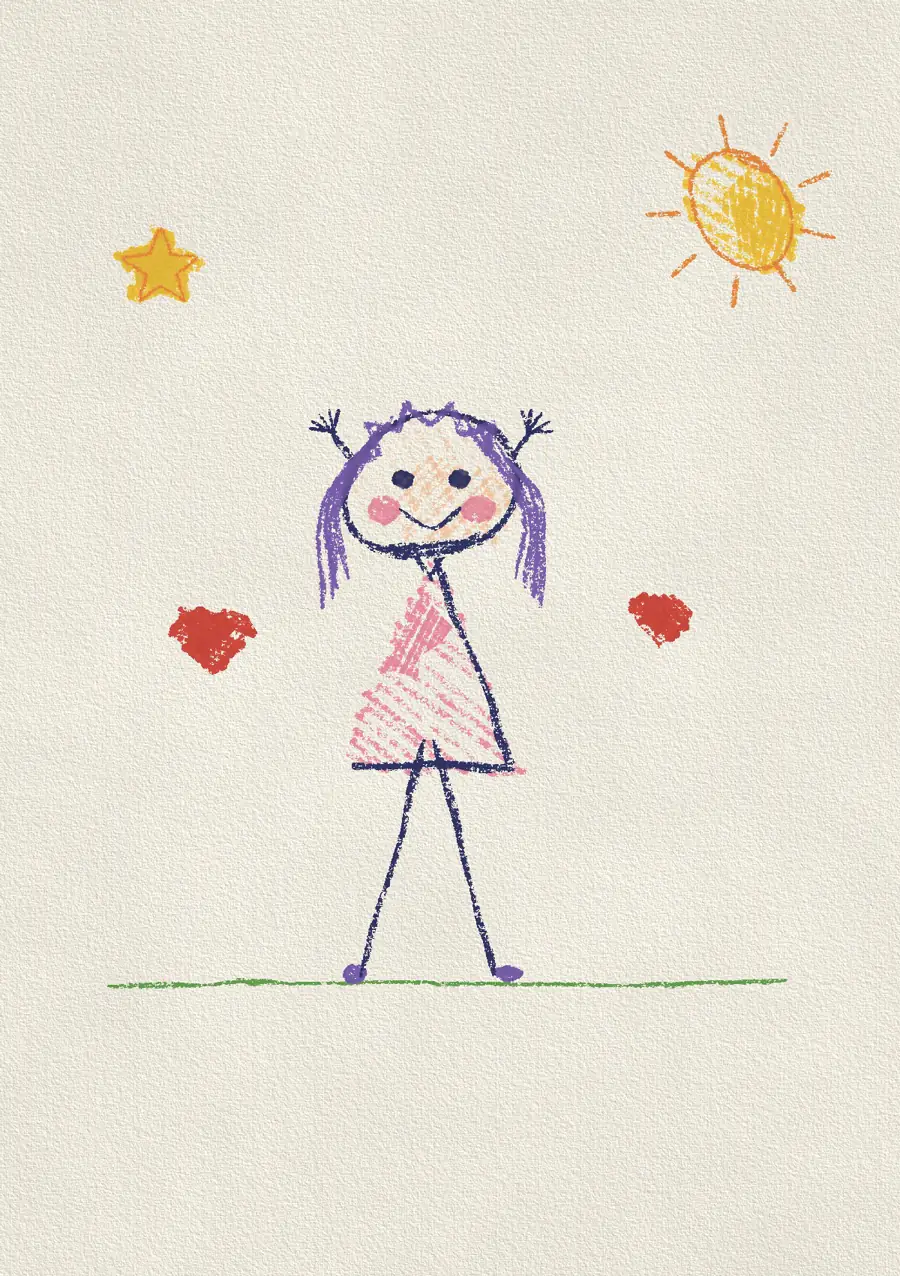
The trade-off is honest: very fine pencil marks and tiny gaps may be simplified, because thread has thickness. Our approach is to preserve the shapes, proportions and character of the drawing, and only simplify where technically necessary. We never "fix" a child's drawing. Our film Why We Never Fix a Child's Drawing explains why the purple hair stays.
How a drawing becomes embroidery
If you're curious about the process, our playful guide Your Kid's Drawing on a Hoodie: Instructions for Use walks through it step by step. In short: photograph the drawing, upload it, preview the result on a hoodie or a T-shirt, and order.
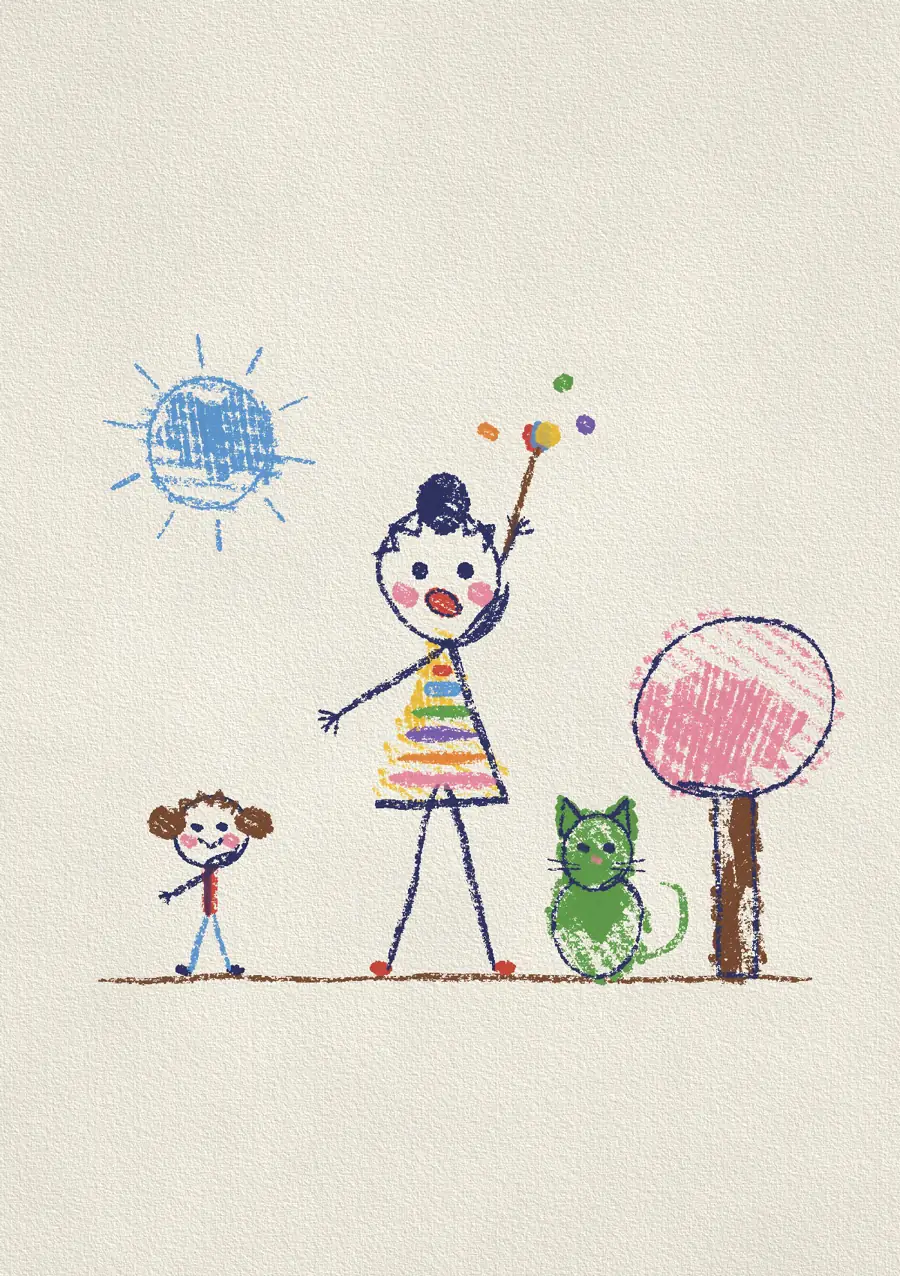
Colors like a blue sun and a green cat translate beautifully into thread, as in our film No Wrong Colors.
You can upload a drawing here and see a preview before you order.
Frequently asked questions
Is embroidery better than screen printing?
Neither is better overall. Embroidery offers texture, durability and a premium look for smaller designs. Screen printing is more economical for large batches and suits big, bold graphics.
Does embroidery last longer than printing?
Embroidery is generally very durable because the design is made of thread sewn into the fabric. It doesn't crack or peel the way some prints can. Good care helps any method last longer.
Can you embroider a photo?
Not realistically in full detail. Photographs have gradients and fine detail that thread can't reproduce well. Printing methods like DTG are better for photos.
Why can embroidery cost more than printing?
Each design must be digitized into a stitch file, and stitching takes machine time per piece. Prices vary by size and complexity of the design.