Gift traditions
Christmas Gift Traditions Around the World: Who Brings the Presents?
Who brings the presents, and when? Sinterklaas, La Befana, the Three Kings, Iceland's Yule Lads and more Christmas gift-giving traditions around the world.
Ask an American child who brings the presents and you'll get one answer, fast. Ask children around the world and you'll hear about a bishop on a white horse, a kindly witch on a broom, three kings on camels, a baby in a cloud of light, and thirteen mischievous brothers who come down from the mountains.
The gifts arrive on different nights, in different places: under a tree, in a shoe, on a windowsill. Here's a tour of some of the best-known traditions. It's a great one to read with kids, and it might give you an idea or two for your own family.
The Netherlands and Belgium: Sinterklaas
In the Netherlands, the big gift-giving evening for many families isn't Christmas at all. It's December 5, the eve of St. Nicholas' Day. Sinterklaas, a tall bishop with a red mitre and a long white beard, is said to arrive by steamboat in November and ride across the rooftops on a white horse.
In the weeks before, children leave their shoes by the fireplace or door, sometimes with a carrot for the horse, and find small treats in the morning. On the evening of the 5th, families exchange gifts, often with funny poems attached. Belgium has its own version, with St. Nicholas' Day itself on December 6.
Germany and Austria: the Christkind
In many parts of Germany, Austria and neighboring regions, presents are brought on Christmas Eve by the Christkind, often pictured as an angel-like child with golden hair. Children typically aren't allowed to see the decorated room until a bell rings and the gifts are revealed.
Germany also celebrates St. Nicholas Day on December 6, when children put out a boot the night before and find it filled with sweets and small gifts.
Italy: La Befana
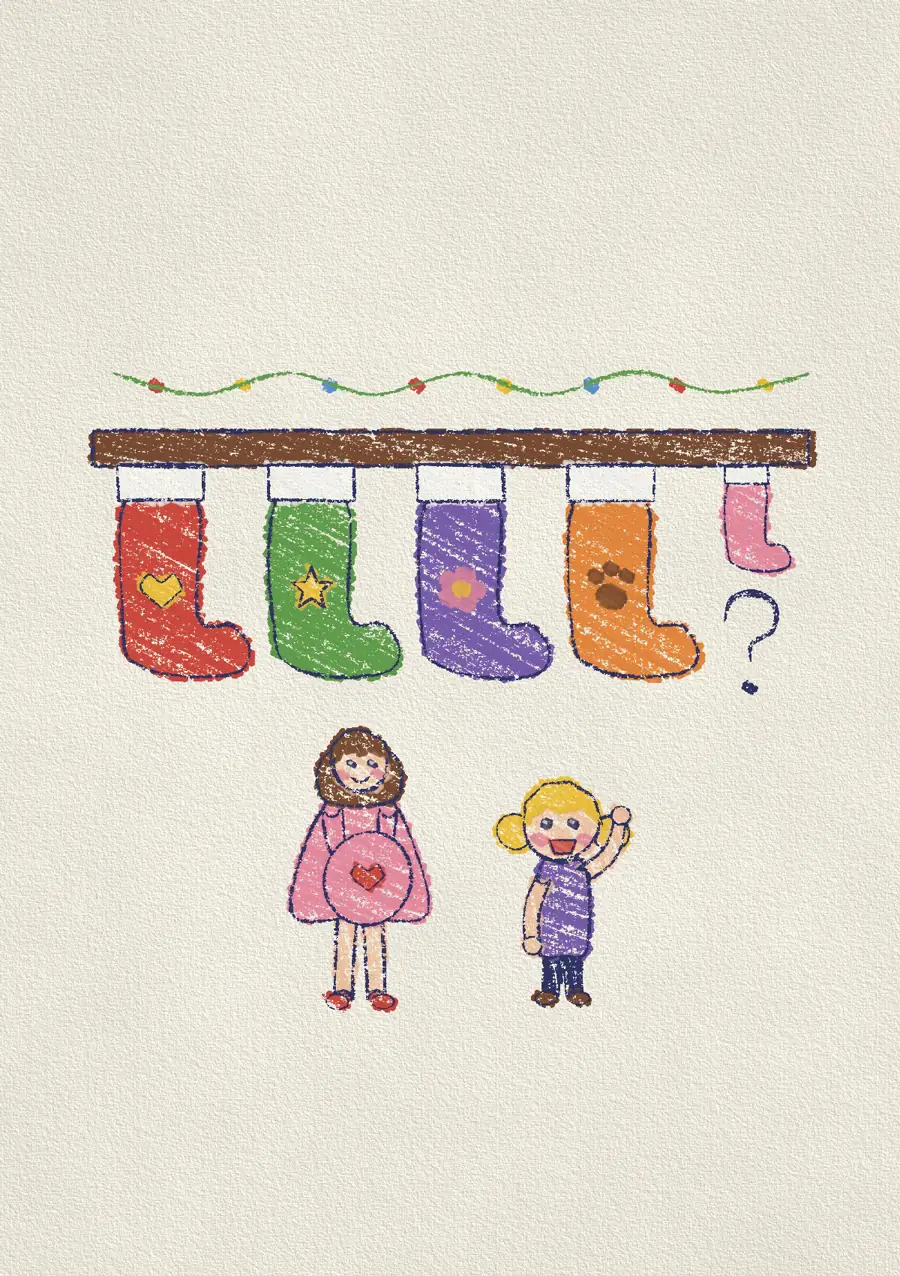
Italian children have Babbo Natale (Father Christmas), but they also wait for La Befana, a kind old witch who flies on her broom on the night before Epiphany, January 6. She fills stockings with sweets for good children and, traditionally, coal for naughty ones (these days often a "coal" made of black sugar candy).
In the legend, Befana was too busy sweeping her house to join the Wise Men on their journey, and she's been searching for the Christ child ever since, leaving gifts at every house just in case.
Spain and Latin America: the Three Kings
In Spain and many Latin American countries, Three Kings' Day on January 6 is a major day for gifts. On the night of January 5, children leave their shoes out, sometimes with water or straw for the kings' camels. In the morning, gifts appear.
In Spain, towns hold parades, the cabalgatas, where the kings throw sweets to the crowds. Many families now give some presents on Christmas as well, but the Kings remain central for children.
Iceland: the thirteen Yule Lads
Iceland has one of the most charming traditions of all. In the thirteen nights before Christmas, the Yule Lads come down from the mountains, one each night. Children put a shoe on the windowsill, and each Lad leaves a small gift. A child who misbehaves might find a potato instead.
Each Lad has a name that describes his mischief: one licks spoons, one slams doors, one steals sausages. Kids learn them all.
Russia and other countries: Grandfather Frost on New Year's
In Russia and a number of other countries, the main gift-giver is Ded Moroz, Grandfather Frost, who comes with his granddaughter, the Snow Maiden. Gifts are given for New Year's rather than Christmas, under a decorated New Year tree.
Finland and Scandinavia: a visit in person
In Finland, Joulupukki often visits the house in person on Christmas Eve, knocking on the door and asking whether there are any good children inside. Across Scandinavia, the main celebration and gift opening tend to happen on Christmas Eve rather than Christmas morning.
The United States and the United Kingdom: Santa and Father Christmas
The American Santa Claus grew out of the St. Nicholas and Sinterklaas traditions brought by European immigrants, mixed with English Father Christmas and popularized by poems, illustrations and stories in the nineteenth century. Stockings, a chimney, cookies and milk left out on Christmas Eve, gifts under the tree in the morning: that's the version most American kids know.
In Britain, Father Christmas plays the same role, and the night-before snack is often a mince pie, sometimes with a carrot for the reindeer. Our film One Cookie Each is about a grandma whose Christmas baking is its own tradition.
What all these traditions have in common
Look closely and the same ideas keep returning:
- Gifts arrive at night, while children sleep
- Children leave something out: a shoe, a stocking, a snack, a carrot
- Good behavior matters, sometimes with a playful threat of coal or a potato
- Small gifts outweigh big ones: sweets, an orange, a little toy
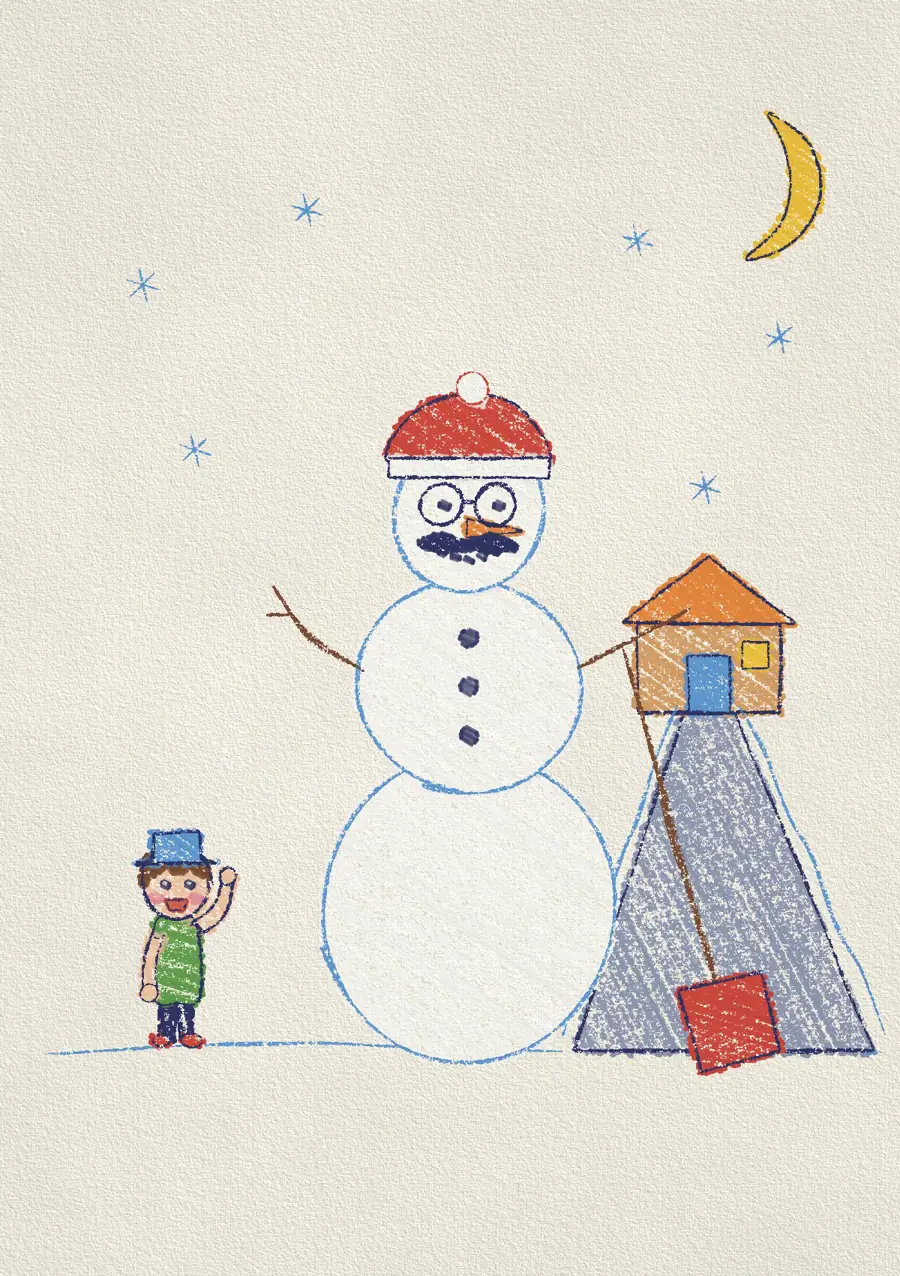
It's also striking how much children make of these stories. Kids draw the gift-bringers as they imagine them, and sometimes a little closer to home than the adults would like. Our Santa Sketch shows Santa with Dad's glasses and slippers.
Bringing a tradition from another country into your home
Plenty of families mix and match, especially families with roots in more than one country. A few easy ideas:
- Put shoes out on December 5 or 6 for a small St. Nicholas treat
- Save one gift for January 6 to stretch the season
- Borrow the Yule Lads for a countdown, with a tiny gift in a shoe each night
- Ask kids to draw a gift-bringer from another country after reading about them
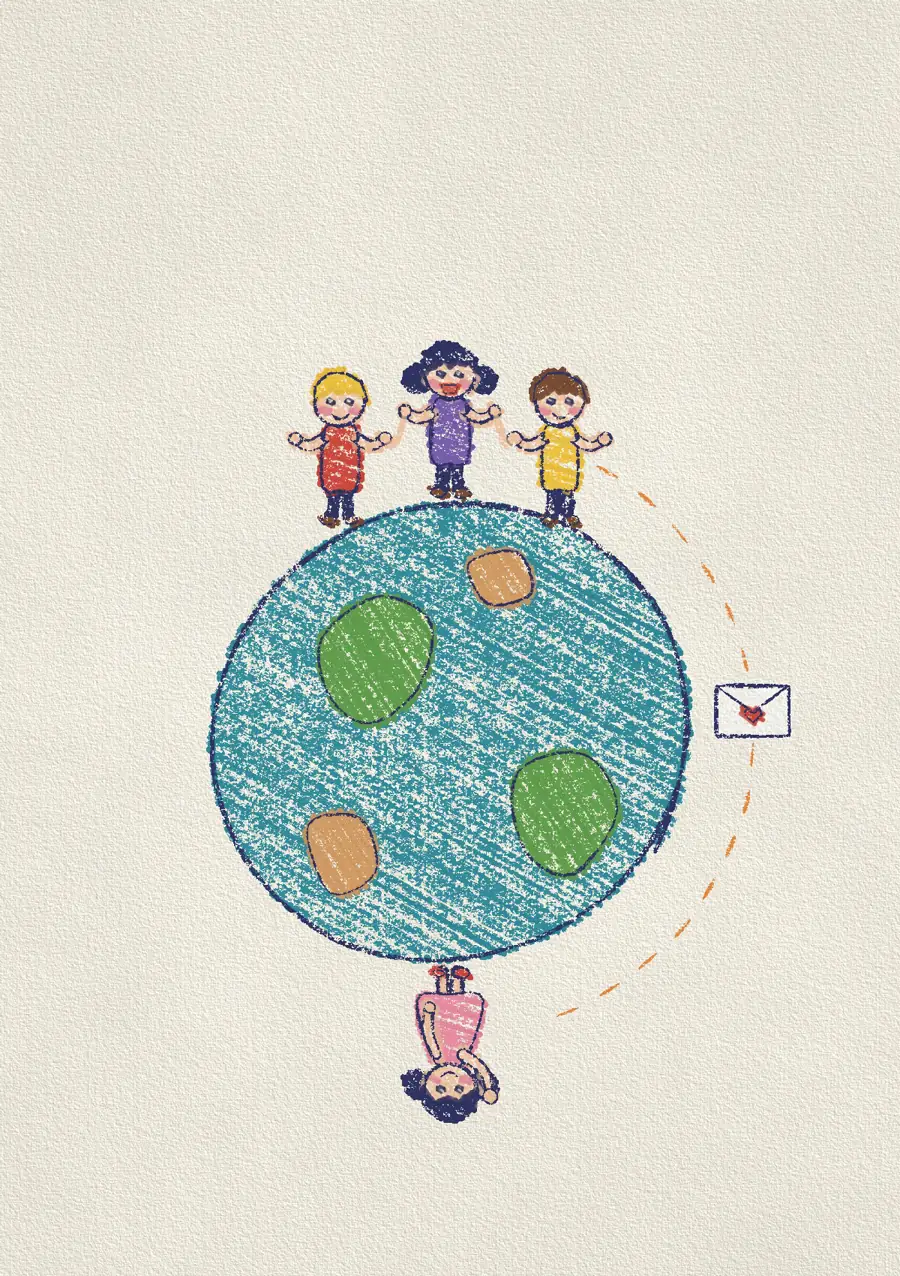
That last one is a lovely activity. Our film The Other Side is about a child drawing a friend on the other side of the world. Children are curious about how kids elsewhere live, and drawing is how they process it.
If a drawing like that turns out to be a keeper, you can have it embroidered on a hoodie or a T-shirt. ANORA stitches children's drawings as they were made. You can upload a drawing and see a preview before you order.
Frequently asked questions
Which countries open presents on Christmas Eve?
Many families in Germany, Austria, Scandinavia, Poland, parts of Latin America and elsewhere open gifts on Christmas Eve. Practices vary by family as well as by country.
Who brings presents in Italy?
Babbo Natale brings gifts at Christmas, and La Befana, a friendly witch, fills stockings on the night before Epiphany, January 6.
What is Three Kings' Day?
It's January 6, the feast of Epiphany, which marks the Wise Men's visit to the infant Jesus. In Spain and much of Latin America, children receive gifts that morning after leaving their shoes out the night before.
Who are the Yule Lads?
They're thirteen mischievous figures from Icelandic folklore who visit one by one in the thirteen nights before Christmas, leaving small gifts in children's shoes on the windowsill.