Gift traditions
Birthday Traditions Around the World (and a Few Worth Borrowing)
Seaweed soup in Korea, crown years in the Netherlands, birthday bumps in Britain. Kids' birthday traditions from around the world, and ideas to borrow.
Cake, candles, a song, a wish. For many American families, that's the whole birthday script, and it works. But birthday traditions vary wonderfully around the world, and some of them are worth stealing.
Here's a tour of how children celebrate birthdays in different countries, followed by ideas for building traditions of your own.
Mexico: Las Mañanitas and the mordida
In Mexico, birthdays often start with "Las Mañanitas," a traditional song sung in the morning to wake up the birthday person. At the party, the piñata is a must: children take turns, blindfolded, swinging at it until it bursts with candy.
Then comes the mordida, "the bite." The birthday child is encouraged to take a bite straight out of the cake, hands-free, and someone almost always pushes their face into the frosting. Expect laughter and a lot of icing.
South Korea: seaweed soup and the first birthday
In Korea, it's traditional to eat miyeokguk, seaweed soup, on your birthday. The soup is commonly eaten by mothers after giving birth, so eating it on your birthday is a way of remembering your mother and the day you were born.
A child's first birthday, the dol, is a big celebration called doljanchi. One highlight is the doljabi: objects such as thread, money, a pencil or a book are placed in front of the baby, and whichever the child grabs is said, playfully, to predict their future. Thread traditionally stands for a long life.
China: longevity noodles
In Chinese tradition, long noodles are eaten on birthdays to wish the person a long life, and you're not supposed to cut them. Red eggs, a color associated with good luck, are often part of celebrations for a baby's first month.
The Netherlands: crown years
Dutch birthdays have a lovely quirk: everyone gets congratulated. At a Dutch birthday party, guests congratulate not just the birthday person but their parents, siblings and relatives too.
Some birthdays are special "crown years," kroonjaren: typically 5, 10, 15, 20 and 21. On a crown year, the birthday child's chair may be decorated with flowers, balloons or streamers, and the celebration is bigger.
Denmark: flags in the window
In Denmark, the national flag is a symbol of celebration, and many families put flags out on birthdays, in the window, on the table, or flying outside the house, so the whole neighborhood knows someone is celebrating.
The United Kingdom and Ireland: the birthday bumps
In Britain and Ireland, friends sometimes give the birthday child "the bumps": they lift the child by the arms and legs and gently bump them toward the ground once for each year of age, plus one for luck. It's rowdy, it's silly, and kids tend to love it.
Canada: greasing the nose
In parts of Atlantic Canada, there's a tradition of dabbing butter on the birthday child's nose. The idea is that bad luck will slip right off, so they'll have a lucky year ahead.
Germany: no early wishes
In Germany, it's considered bad luck to wish someone a happy birthday before the actual day. Family and friends wait until midnight or the morning of. Children may also have a candle that marks each year, burning down a little each birthday.
India: new clothes and sweets for everyone
In many parts of India, the birthday child wears new clothes, often visits a temple with family, and brings sweets to share with classmates or neighbors. The birthday child gives to others, not only receives.
What these traditions have in common
Read through them and some patterns emerge:
- Food with meaning: soup for mom, noodles for long life, cake for the bite
- The community joins in: neighbors see the flags, classmates get sweets, cousins get congratulated
- A little ritual of luck: butter, bumps, thread, red eggs
- Gratitude to parents: Korea's seaweed soup is a particularly moving example
That last one is worth thinking about. Birthdays are as much about the people who raised the birthday child as about the child.
Family birthday traditions to start at home
You don't need to adopt another country's custom wholesale. But borrowing the spirit of one can make birthdays more memorable.
The birthday morning
- Wake them with a song, like "Las Mañanitas"
- Decorate their chair at breakfast, Dutch-style
- Put a flag or sign in the window
Traditions that grow with them
- A yearly height mark on a door frame
- A yearly interview: favorite food, best friend, what they want to be. Keep the answers.
- A yearly self-portrait. Ask your child to draw themselves on their birthday every year. Within a few years, you'll have a record of how they see themselves, and how much they've grown.
Traditions about gratitude
- The birthday child makes something for a parent, inspired by the Korean idea of honoring the mother
- The birthday child gives something away: a treat to share, a toy to donate
Birthday gifts made by kids
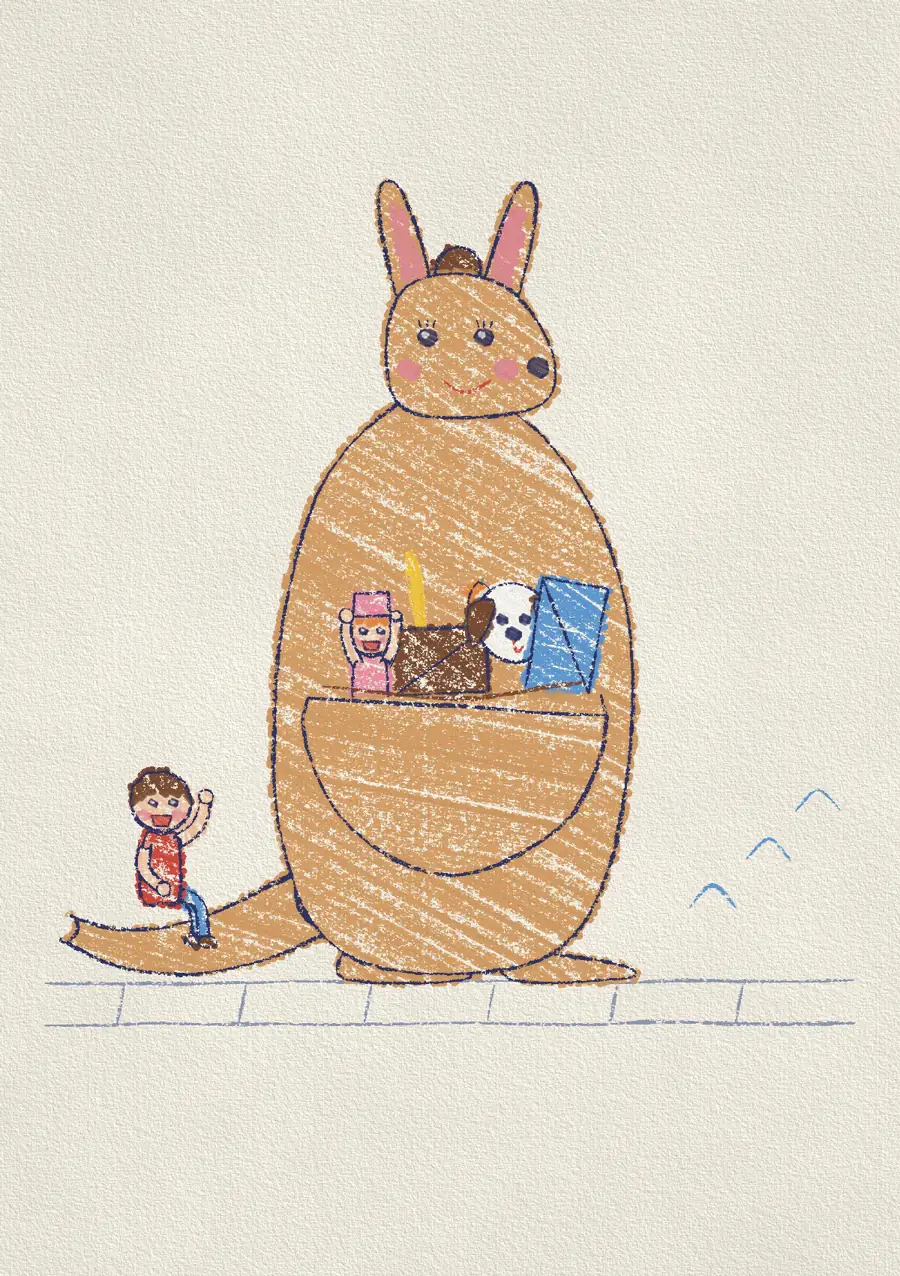
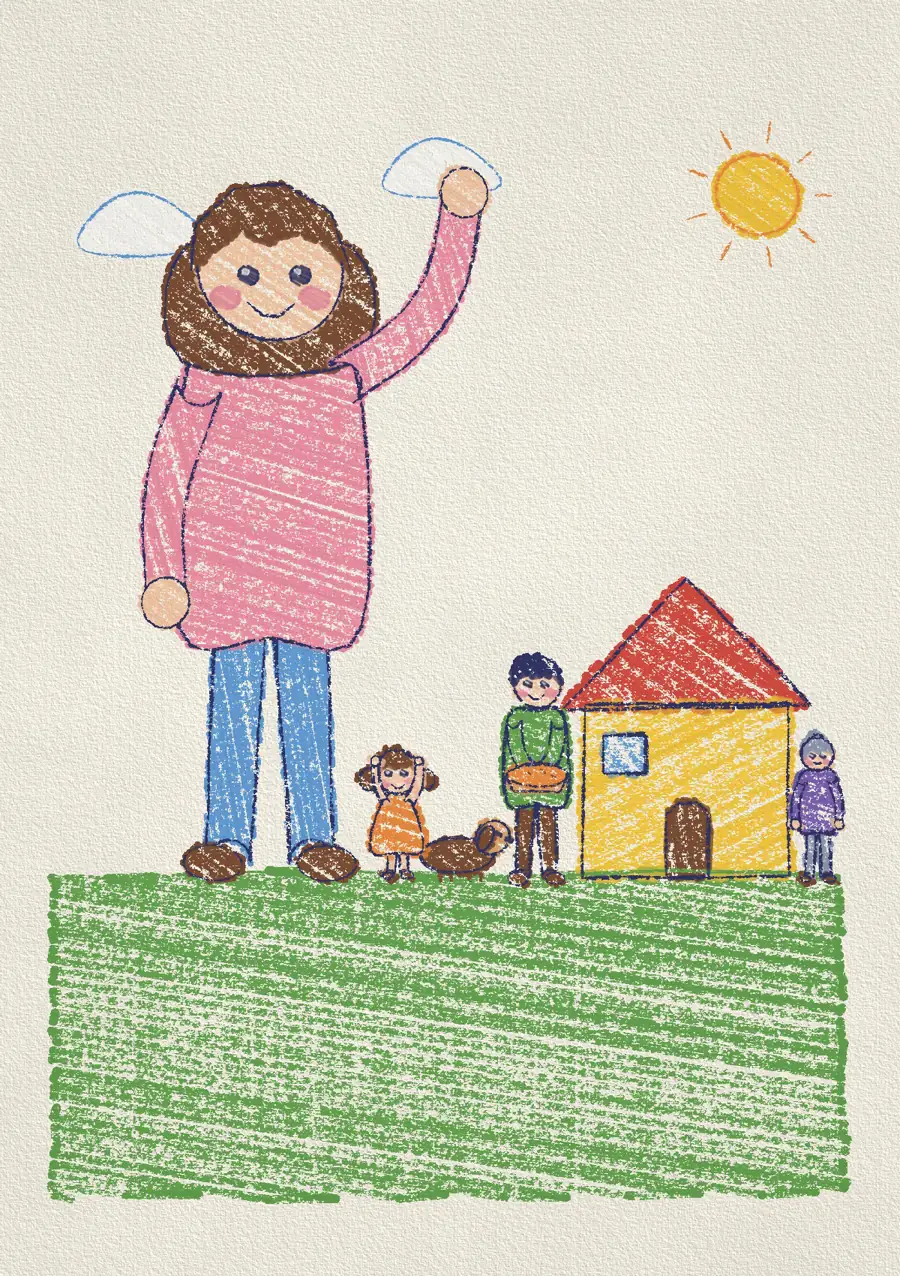
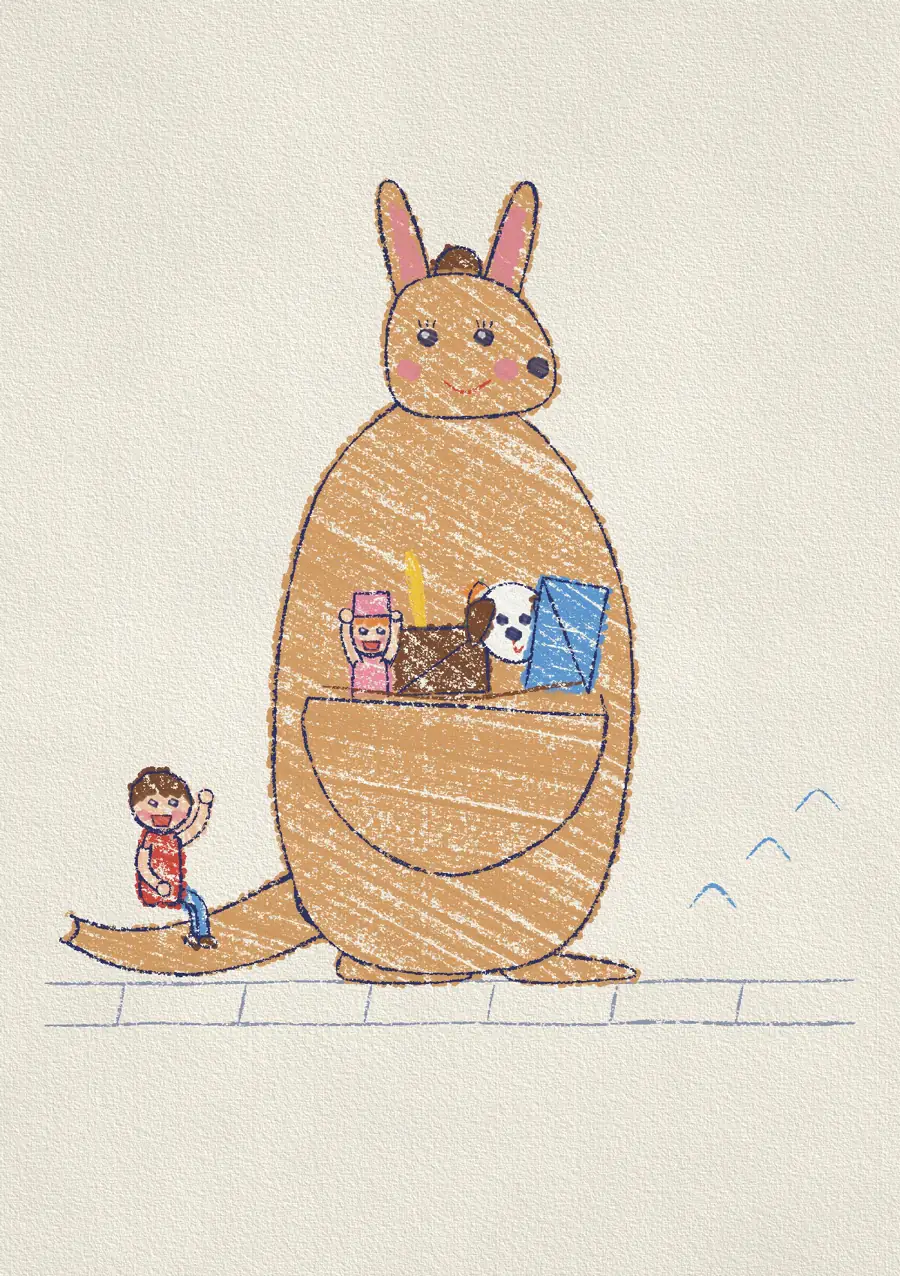
Children often make birthday gifts for parents, grandparents and siblings, and some of them are astonishing. Our film Mom the Kangaroo is about a boy who drew his mom as a kangaroo carrying everything the family needs in her pocket, for her birthday. Another film, Bigger Than the House, is about why children draw the people they love bigger than everything else.
If your child makes a drawing like that for someone's birthday, consider keeping it in a way that lasts. ANORA embroiders children's drawings on hoodies and T-shirts, as drawn. You can upload a drawing here and preview it before ordering. Production and U.S. delivery take approximately 12 business days from the start of production.
And for the relative who always makes birthdays fun, see our film Upside-Down Uncle.
Frequently asked questions
What are some unique birthday traditions around the world?
Examples include eating seaweed soup in South Korea, longevity noodles in China, the mordida cake bite in Mexico, crown years in the Netherlands, birthday flags in Denmark, the bumps in Britain and nose-greasing in parts of Atlantic Canada.
What is a doljanchi?
It's the Korean celebration of a child's first birthday. It often includes the doljabi, where the baby picks an object from a selection that is said to hint at their future.
Why is it bad luck to say happy birthday early in Germany?
It's a widely held superstition that wishing someone a happy birthday before the day tempts fate, so Germans wait until the day itself.
What are good birthday traditions to start with kids?
A morning song, a decorated chair, a yearly height mark, a birthday interview, or a yearly self-portrait that you save. Simple rituals repeated every year become the most cherished.