Gift traditions
A Family Advent Calendar: 24 Days of Something Better Than Chocolate
Where Advent calendars come from, plus 24 activity, kindness and drawing ideas for a family Advent calendar that builds memories instead of clutter.
For a lot of kids, December starts the moment they open the first little door. The Advent calendar is one of the simplest Christmas traditions, and one of the most loved. It turns waiting into a game.
But store-bought calendars often mean 24 pieces of chocolate or 24 small plastic toys. If you'd like your family's calendar to build memories instead of a sugar habit, here's a little history and a lot of ideas.
What is Advent?
In the Christian calendar, Advent is the season of preparation before Christmas. It begins on the fourth Sunday before Christmas Day, so its start date moves each year, falling between late November and early December. In 2026, the first Sunday of Advent is November 29.
Most Advent calendars, though, simply count down from December 1 to December 24, regardless of when Advent technically starts.
A short history of the Advent calendar
The custom of counting down to Christmas at home is usually traced to nineteenth-century Germany, where families marked the days in simple ways: chalk lines on a door, one erased each day, or a candle lit each evening.
Printed calendars with little doors or pictures followed in the early twentieth century, also in Germany. Over the decades they spread across Europe and North America, and calendars filled with chocolate became a familiar sight in shops.
Today there are calendars for everything: toys, tea, beauty products, even dog treats. But the original idea was simple and homemade.
Types of family Advent calendars
The classic: doors and pictures
A printed calendar with a picture behind each door. No treats, just a daily reveal. Little kids love it more than you'd think.
The pocket or envelope calendar
Twenty-four pockets, bags or envelopes on a string or board. You fill them yourself, so you control what's inside. Reusable year after year.
The activity calendar
Each day reveals something to do, not something to have. This is the one that tends to become a family favorite, and it costs very little.
The book calendar
Wrap 24 books, old and new, and unwrap one each night for bedtime reading. Library books work too.
24 Advent calendar ideas (activities, kindness and creativity)
Mix and match, and save the busier activities for weekends.
Cozy family activities
- Drink hot chocolate in pajamas and watch a Christmas movie
- Build a blanket fort and read Christmas stories inside
- Drive or walk around the neighborhood to look at lights
- Bake and decorate cookies
- Make paper snowflakes and hang them in the windows
- Have a candlelit dinner, kids in charge of the menu
- Play a board game as a family
Kindness days
- Leave a treat out for the mail carrier or delivery driver
- Choose a toy to donate
- Make a card for a neighbor who lives alone
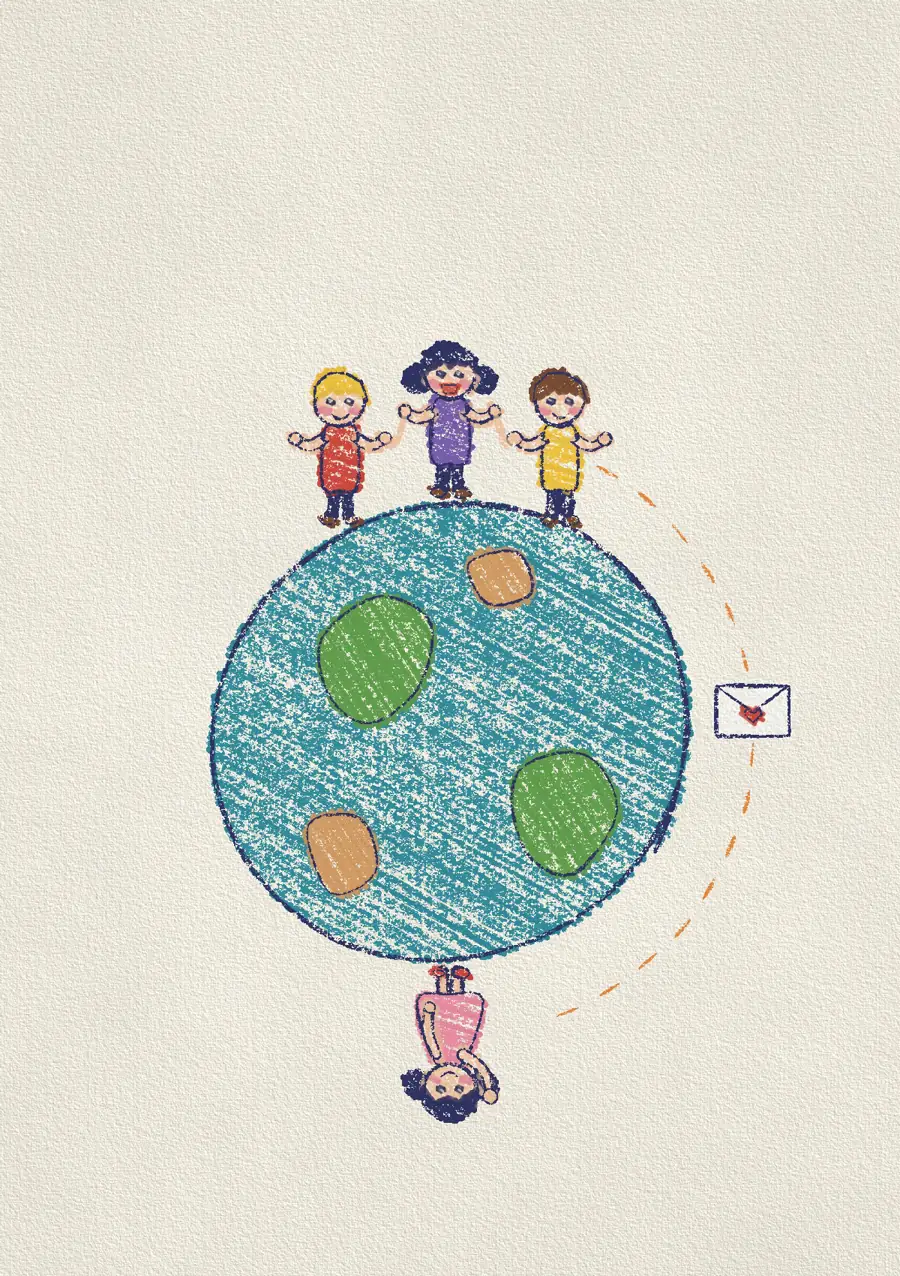
- Call or video-chat a grandparent
- Write a thank-you note to a teacher, coach or bus driver
- Shovel a neighbor's walk, or offer to
Creative days
- Draw your family's Christmas tree
- Draw what you think Santa really looks like
- Make homemade ornaments
- Draw a portrait of someone you love, as a gift
- Write and illustrate a short Christmas story
- Decorate wrapping paper with stamps or drawings
Traditions and anticipation
- Pick out and decorate the tree
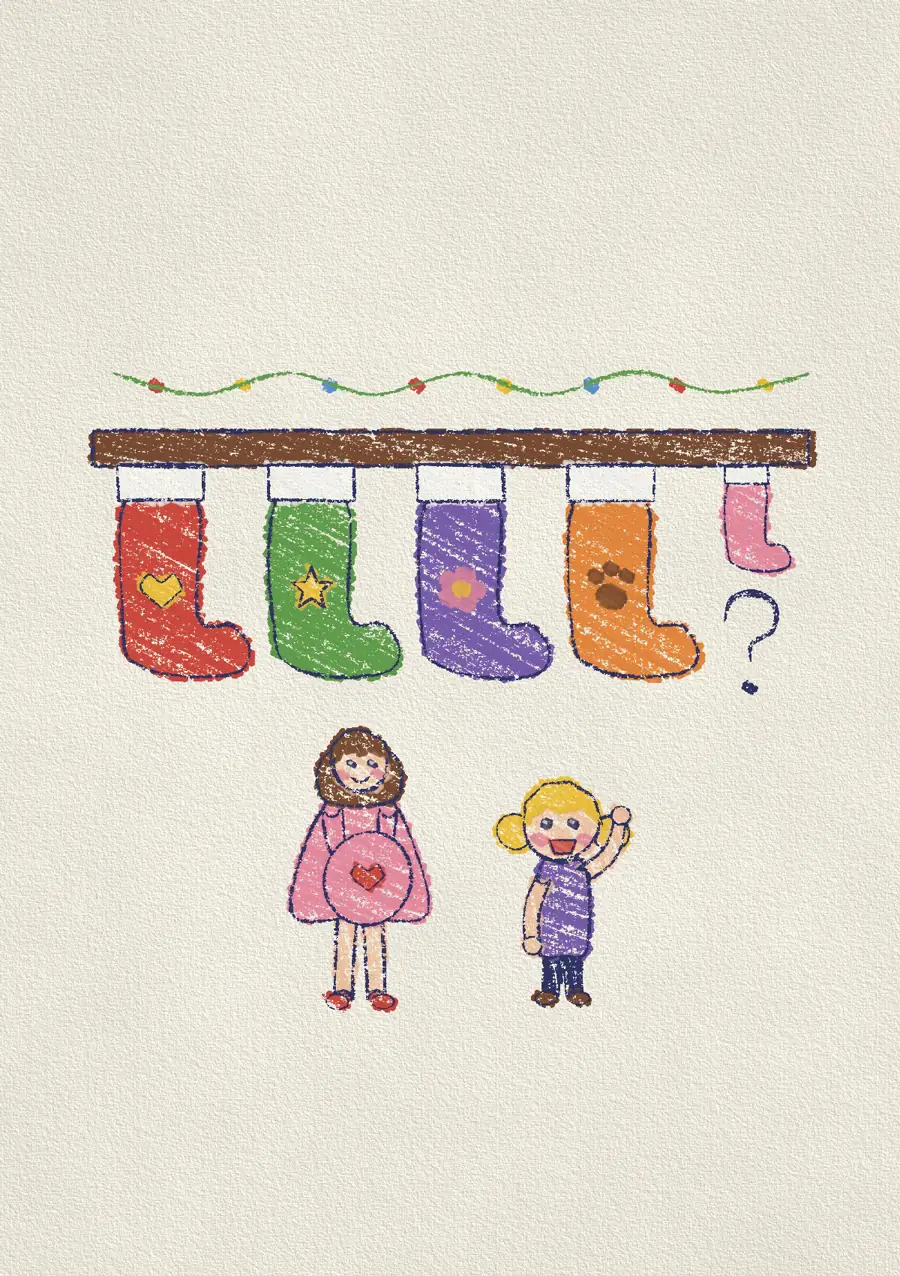
- Hang the stockings
- Make a list of the best moments of the year
- Bake treats for Santa (or grandma)
- Read a favorite Christmas story before bed
Why drawing days matter
Kids' Christmas drawings are some of the most charming things they make all year. They draw the tree, the snowman, the presents, and the people they love, often with details adults miss.
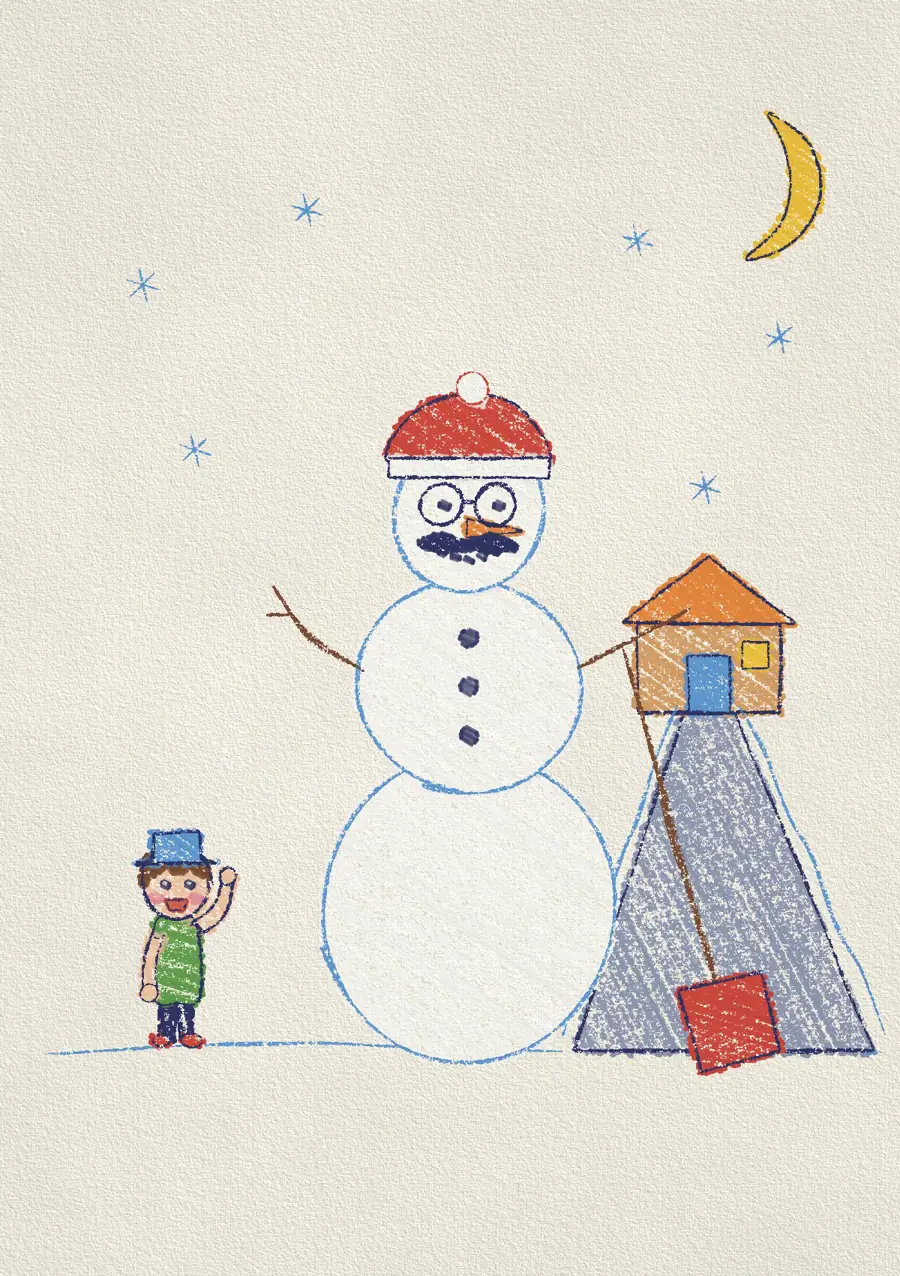
Our film The Snowman Next Door is about a child who drew a snowman that looked suspiciously like the neighbor who shovels everyone's walk. Another, The Star on Top, is about a toddler's Christmas tree drawing, explained. And One Cookie Each began with a drawing of grandma's Christmas baking.
Keep the Advent drawings in a folder. By Christmas Eve, you'll have a little portfolio of your child's December.
Tips for an Advent calendar that works
- Keep it short. Five to fifteen minutes is enough on busy weekdays.
- Write activities on slips and put them in the pockets in advance, so you're not planning at 7 a.m.
- Be flexible. If a day is overloaded, swap the slip for an easier one.
- Mix in tiny treats if your kids expect them: a sticker, a candy cane, a small chocolate alongside the activity.
- Let older kids plan a few days for younger siblings.
The gift at the end of the calendar
If one of those December drawings turns out to be special, it can become a Christmas gift itself. At ANORA, we embroider children's drawings on hoodies and T-shirts, keeping their lines and colors as drawn. A child's drawing of the family tree or a portrait of grandpa can become something worn every December.
You can upload a drawing here and preview it before ordering. Keep timing in mind: production and U.S. delivery take approximately 12 business days from the start of production, so an early-Advent drawing is the one to use. During our grand opening, code BESTGIFT takes 15% off.
Frequently asked questions
When should an Advent calendar start?
Most Advent calendars start on December 1 and end on December 24. Liturgical Advent begins on the fourth Sunday before Christmas, which in 2026 is November 29.
Who invented the Advent calendar?
The custom of counting down the days grew up in nineteenth-century Germany, and printed calendars appeared there in the early twentieth century. No single inventor is undisputed.
What can I put in an Advent calendar instead of candy?
Activities, notes, small books, stickers, craft supplies, kindness tasks, family outings or drawing prompts. Activity calendars are cheap and reusable.
What are good Advent activities for toddlers?
Short, sensory ones: making paper snowflakes, looking at lights, stickers, reading a story, decorating a cookie or scribbling a Christmas drawing.