Gift traditions
The Woman Who Invented Mother's Day, and Why She'd Prefer a Handmade Card
Anna Jarvis created Mother's Day and later fought its commercialization. The story of the holiday and handmade gift ideas kids can make for mom.
Every May, flower shops have one of their busiest weeks of the year, card aisles empty out, and restaurants book every brunch table. Which is ironic, because the woman who created Mother's Day spent much of her later life protesting exactly that.
Her story is worth knowing, especially if you've ever wondered whether a child's crayon card really counts as a gift. (It does. She'd have insisted.)
Before Mother's Day: mothers organizing
The roots of the American holiday go back to the nineteenth century. Ann Reeves Jarvis, a mother in West Virginia, organized women's groups in the 1850s to teach families about health and sanitation. During and after the Civil War, she worked to bring together families from both sides.
Around the same time, Julia Ward Howe, the writer of "The Battle Hymn of the Republic," called in the early 1870s for a Mother's Day dedicated to peace. These early efforts were about mothers as a force in their communities, not about presents.
Anna Jarvis and the first Mother's Day
After Ann Reeves Jarvis died in 1905, her daughter, Anna Jarvis, set out to create a day honoring mothers. In May 1908, she organized a memorial service at a church in Grafton, West Virginia, where her mother had taught Sunday school, along with a larger event in Philadelphia.
Anna campaigned tirelessly, writing letters to politicians, ministers and newspapers. The idea spread state by state, and in 1914 President Woodrow Wilson signed a proclamation making the second Sunday in May a national day to honor mothers.
Anna chose the white carnation as the day's emblem, a flower she associated with her mother, and she wanted the day to be personal: a visit home, a letter, a quiet thank-you.
The founder who turned against her holiday
Within a few years, Mother's Day had become big business. Flowers, candy and printed cards sold in huge numbers. Anna Jarvis was furious. She objected especially to ready-made greeting cards, seeing them as a lazy substitute for a letter in your own words.
She spent the rest of her life, and much of her own money, campaigning against the commercialization of the day she'd created. She reportedly said she wished she'd never started it.
Whatever you make of that, her central point holds up: a mother wants to hear from you, in your own words. A store-bought gift isn't wrong. But the most meaningful thing is personal.
Mothering Sunday: a different tradition
If you have British friends, you might notice they celebrate in March. Mothering Sunday in the U.K. and Ireland falls on the fourth Sunday of Lent and grew out of a separate, older church tradition. Over time it took on many of the same customs as the American holiday, but its date and roots are different.
Why handmade gifts mean so much
Ask mothers about the Mother's Day gifts they've kept, and you'll rarely hear about a bathrobe. You'll hear about a macaroni necklace. A card with "MOM" spelled backward. A drawing where she's taller than the house.
There's a reason. Handmade gifts from children are:
- A snapshot of an age. The handwriting, the spelling, the way they draw people. It changes every year and never comes back.
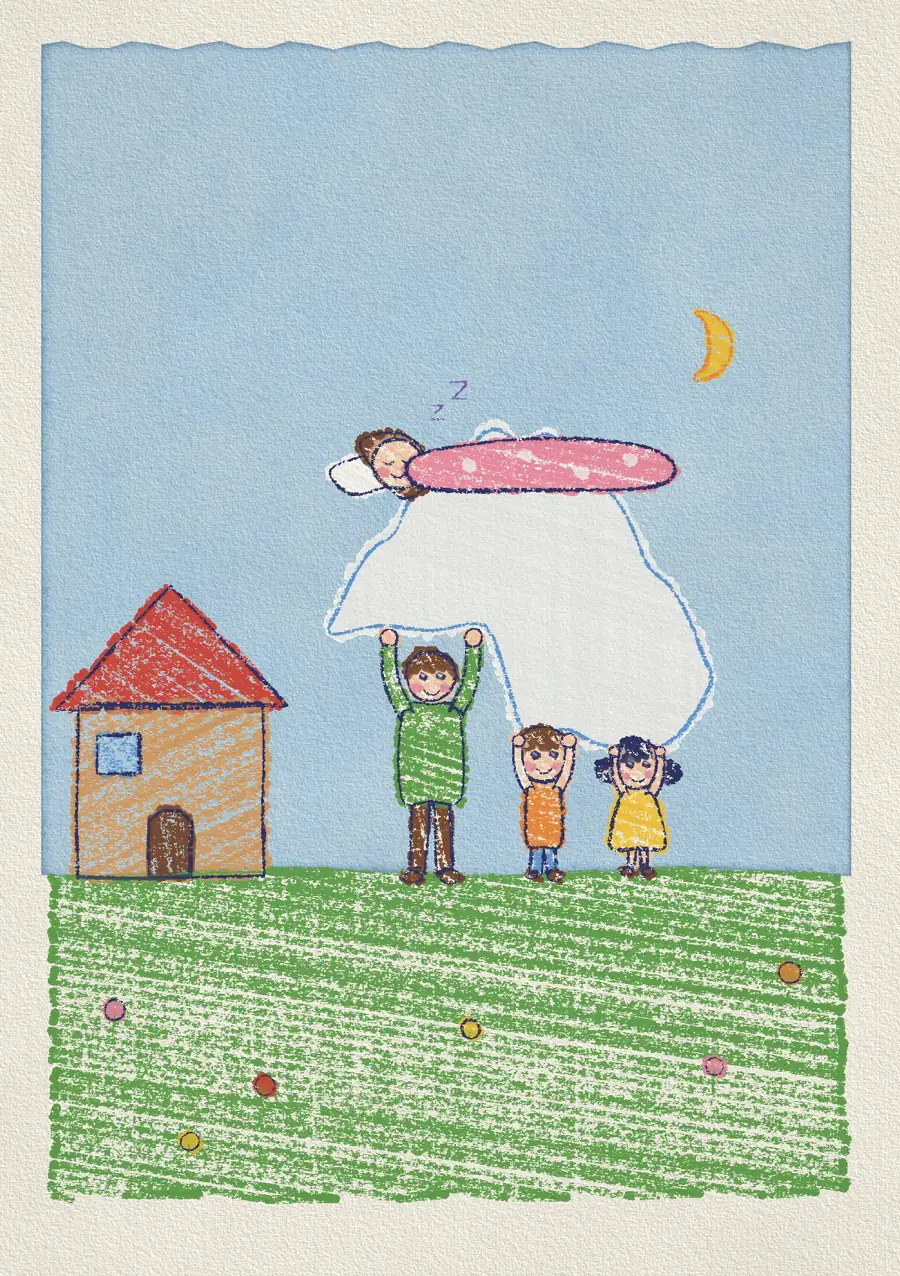
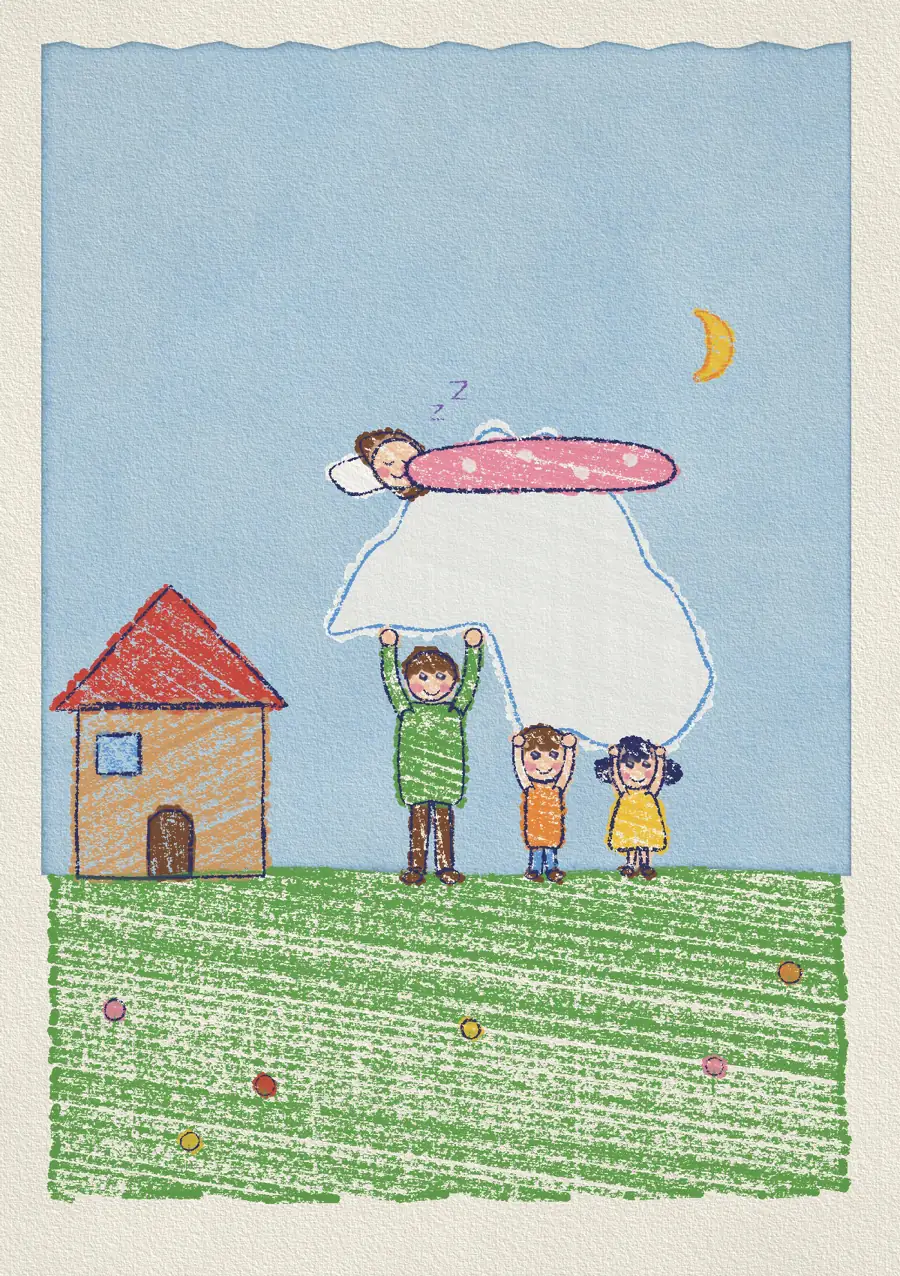
- A window into how they see you. Kids draw what they notice: the coffee cup, the phone, the hug. Our film Mom on a Cloud is about a child who noticed how tired her mom was and drew her resting on a cloud.
- Proof of effort. A five-year-old sitting still for twenty minutes to make something for you is a grand gesture.
Handmade Mother's Day gift ideas kids can make
For little ones (ages 2–4)
- Handprint or footprint art, dated
- A scribble portrait of mom with the child's description written underneath. Toddlers often say astonishing things about their drawings. Our film Six Arms is about a three-year-old who drew his mom with six arms, each one busy.
- A decorated flowerpot with a seedling
For school-age kids (ages 5–10)
- "All about my mom" questionnaire: her age, her job, her favorite food, what she says most. The answers are usually hilarious.
- Breakfast in bed, planned and served by the kids (with supervision)
- A coupon book: "one hug," "one clean room," "I'll set the table without being asked"
- A drawing of mom doing her favorite thing
For older kids and teens
- A real letter, the kind Anna Jarvis wanted
- A playlist of songs that remind them of mom
- Cooking dinner start to finish
Keeping the handmade gift
The problem with handmade gifts is that they're fragile. Crayon fades, paper tears, cards get lost in moves. A few ways to keep them:
- Photograph or scan every Mother's Day card and keep them in one folder
- Frame one drawing per year in matching frames
- Turn one into something she can use every day
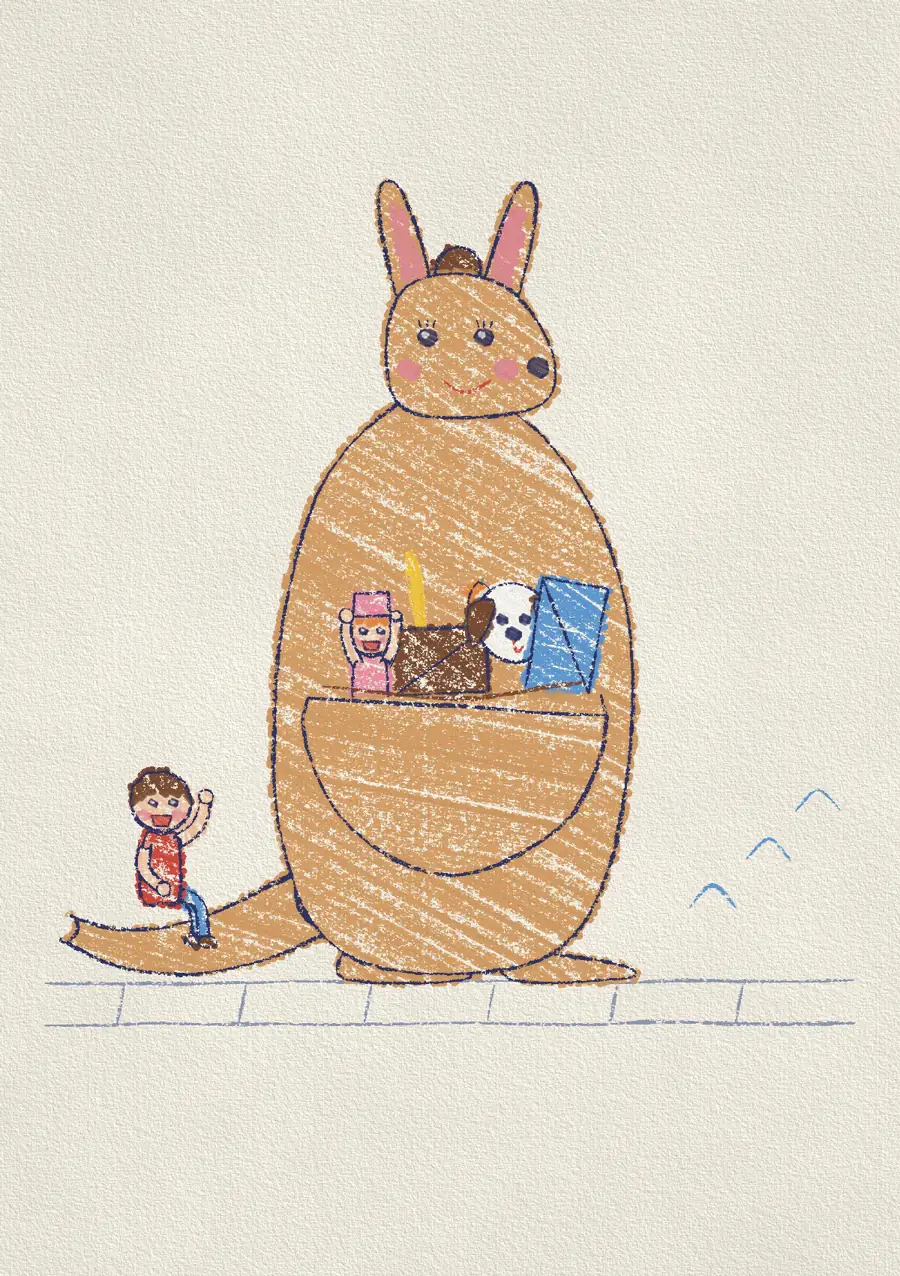
That last idea is what we do at ANORA. We embroider a child's drawing on a hoodie or a T-shirt, keeping the lines and proportions as drawn. Our film Mom the Kangaroo is about a boy who drew his mom as a kangaroo with everything in her pocket, including him, and how she ended up wearing it.
If you want to try, you can upload a drawing here and see a preview before ordering. Production and U.S. delivery take approximately 12 business days from the start of production, so it's worth starting in April for a May gift.
Frequently asked questions
Who started Mother's Day in the United States?
Anna Jarvis, who organized the first Mother's Day observances in May 1908 in honor of her mother, Ann Reeves Jarvis. It became a national day in 1914.
Why is Mother's Day on the second Sunday in May?
President Woodrow Wilson's 1914 proclamation set it on the second Sunday in May, following Anna Jarvis's campaign.
Why did Anna Jarvis oppose Mother's Day?
She objected to the commercialization of the holiday, especially printed cards, flowers and candy sold for profit. She wanted people to honor their mothers personally, with visits and handwritten letters.
What is a meaningful Mother's Day gift from a child?
Something the child made: a drawing, a letter, a handprint, or a "why I love mom" list. Mothers often keep these for decades.