Gift traditions
Eight Nights, Eight Gifts? A Family Guide to Hanukkah Gift-Giving
How Hanukkah gift-giving works, where gelt comes from, and a themed idea for each of the eight nights that keeps the focus on family, not just presents.
Hanukkah gives families something most holidays don't: time. Eight nights of candles, eight evenings to gather, and for many families, eight chances to give something. That's wonderful, and it's also why so many parents end up asking the same question every December: how do we fill eight nights without it all turning into a pile of stuff?
Here's a look at where Hanukkah gift traditions come from, and a practical plan that gives each night its own meaning.
What Hanukkah celebrates
Hanukkah, the Festival of Lights, remembers the rededication of the Temple in Jerusalem after the Maccabees' revolt in the second century BCE. According to the well-known story in the Talmud, there was only enough pure oil to light the Temple's menorah for one day, but it lasted for eight.
That's why the holiday lasts eight nights, and why families light the hanukkiah (the Hanukkah menorah) each evening, adding one candle per night with the helper candle, the shamash, used to light the others. Foods fried in oil, like latkes and sufganiyot (jelly doughnuts), are part of the celebration for the same reason.
Where Hanukkah gifts come from
Gelt
The oldest gift tradition connected to Hanukkah is gelt, Yiddish for money. In many communities, children were given coins during the holiday, and some families gave money to teachers as well. Today gelt often means chocolate coins wrapped in gold or silver foil, which children also use as stakes when playing dreidel.
Presents every night
Giving a wrapped present on each night is a more recent custom, especially common in North America, where Hanukkah falls close to Christmas. Many families embrace it; others prefer a single bigger gift, or gifts on only some nights. There's no religious requirement either way. What matters most is the candles, the blessings and being together.
The dreidel and the family table
The dreidel is a four-sided spinning top marked with Hebrew letters standing for "a great miracle happened there" (in Israel, the last letter changes to mean "here"). Children spin it to win gelt, nuts or raisins. It's simple, a little addictive, and a big part of why kids love the holiday.
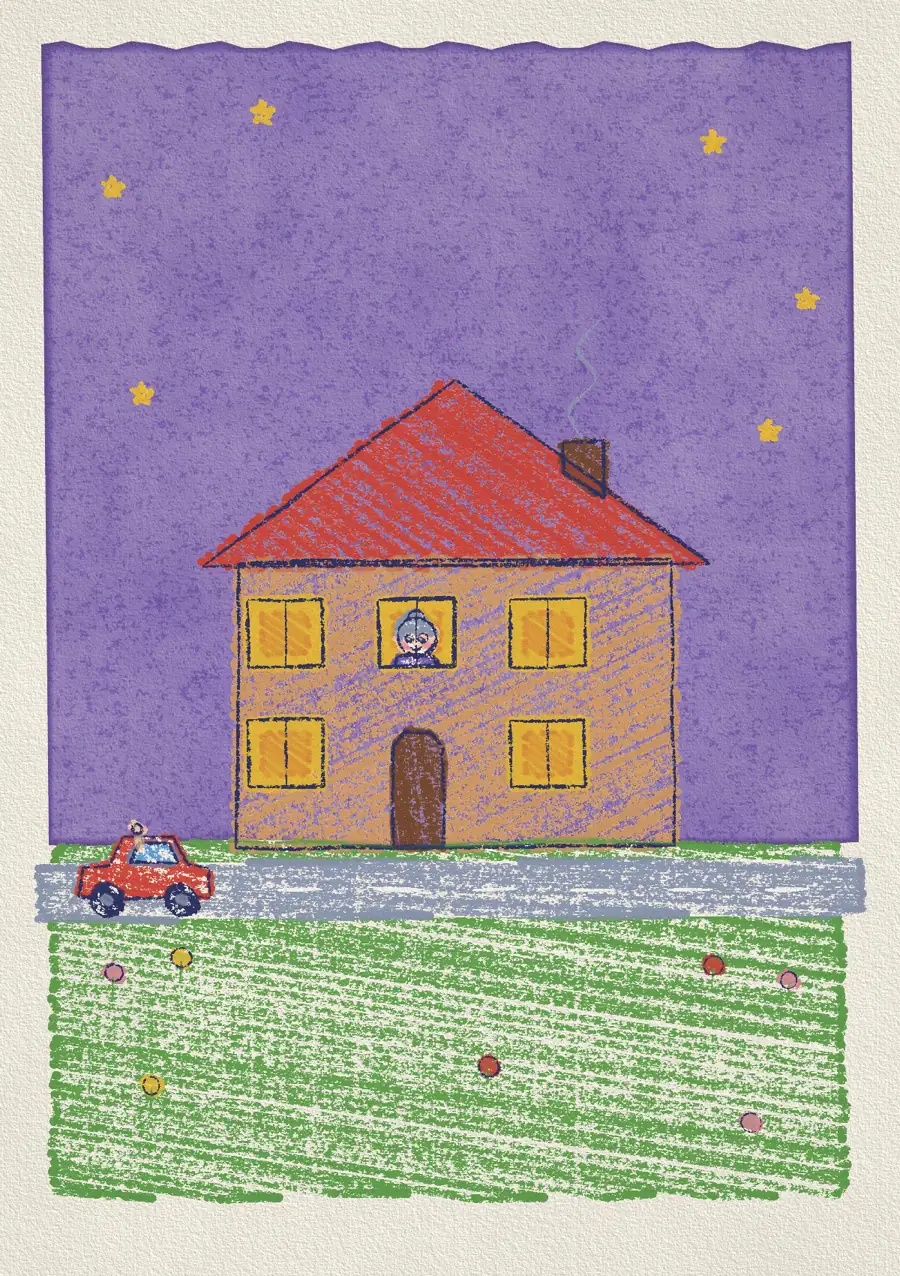
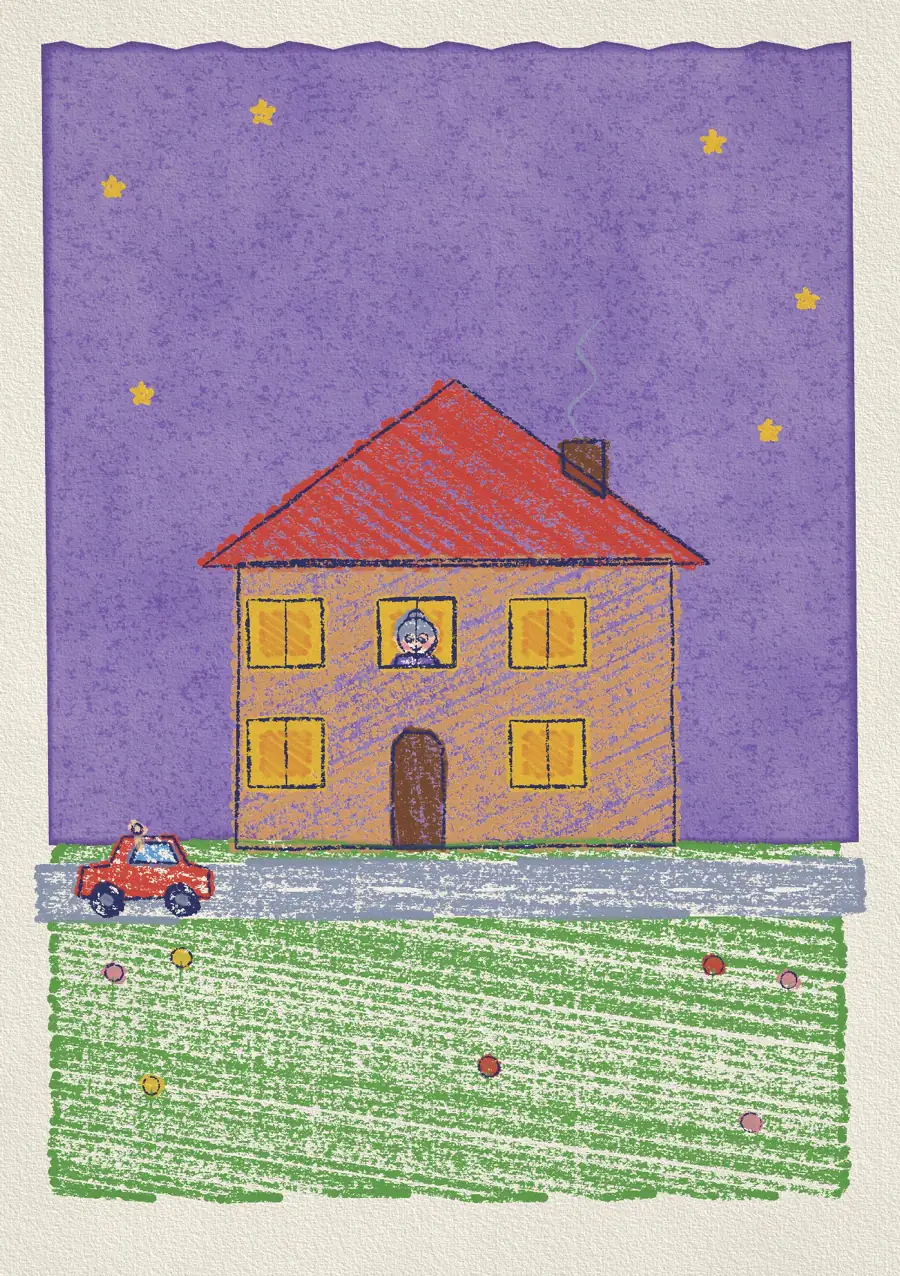
Hanukkah is above all a home holiday. The candles are traditionally placed where they can be seen from outside, in a window or by the door, to share the light. It's no surprise that so many children's Hanukkah drawings are of windows full of light. Our film Every Light Is On is about a child who always drew grandma's house with every window lit, so she'd never be alone in the dark.
A theme for each of the eight nights
If you'd like the gifts to mean more, try giving each night a theme. Not every night needs something wrapped.
Night 1: Something for the home
A new dreidel, a menorah the kids can call their own, or candles in favorite colors. Start with the light.
Night 2: Books night
A book for each child, read together before bed. Holiday books, family favorites, or something they've been asking for.
Night 3: Handmade night
Everyone makes something for someone else: a card, a bookmark, a drawing. Kids often take this night more seriously than any other.
Night 4: Giving night
Instead of receiving, the family chooses something to give: donating toys, buying groceries for a food drive, or delivering latkes to a neighbor. Tzedakah, charitable giving, is a meaningful part of the season for many families.
Night 5: Games night
A new board game, or a dreidel tournament with real stakes (chocolate gelt).
Night 6: Experience night
Tickets, a family outing, a coupon for a day with a grandparent. A gift that's really a promise.
Night 7: Grandparents' night
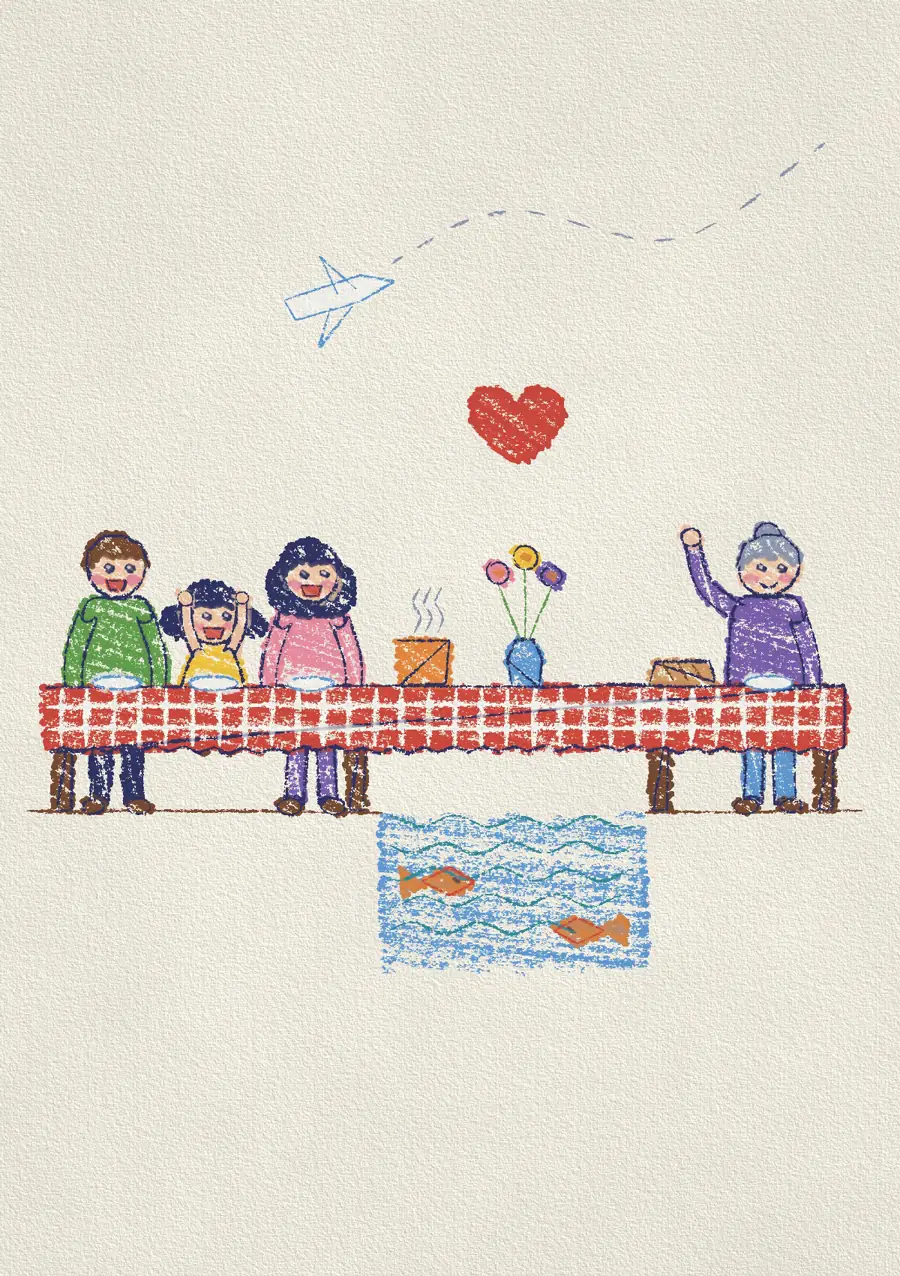
A call, a video, a visit, or a gift made by the grandkids for the grandparents. Our film The Long Table is about a child who drew a family table stretching all the way to grandma's house, far away.
Night 8: The keeper
Save something meaningful for the last night: a gift that will still matter in ten years.
Meaningful Hanukkah gifts that last
The best Hanukkah gifts tend to share a few qualities: they're personal, they connect generations, and they don't end up in the donation bag by spring. A few ideas:
- A family recipe book, with grandparents' latke and brisket recipes in their own handwriting
- A child's drawing of the family lighting candles, framed for grandparents
- An heirloom menorah passed to an older child, or a new one to start a tradition
- A wearable keepsake: a child's Hanukkah drawing embroidered on a hoodie or a T-shirt
That last one is what we do at ANORA. If your child draws the family around the menorah, or simply a window full of candles, we can stitch it as they drew it. Our film Draw Love shows how a simple question to a child can produce a drawing worth wearing.
Planning ahead
Hanukkah follows the Hebrew calendar, so its dates move each year on the regular calendar. In 2026, it begins at sundown on December 4. If you're ordering anything personalized, check timing well ahead. For our embroidered pieces, production and U.S. delivery take approximately 12 business days from the start of production.
When you're ready, you can upload your child's drawing here and preview it before ordering. During our grand opening, code BESTGIFT takes 15% off.
Frequently asked questions
Do you give a gift every night of Hanukkah?
Many families do, especially in North America, but it isn't required. Some give small gifts each night, some give one main gift, and some focus on gelt, games and food. The candle lighting is the heart of the holiday.
What is Hanukkah gelt?
Gelt is Yiddish for money. Giving coins to children is a long-standing Hanukkah custom, and today it often means foil-wrapped chocolate coins used to play dreidel.
What is a good Hanukkah gift for grandparents?
Something personal from the grandchildren: a drawing, a recipe book, a photo album, or a visit. Grandparents usually value time and handmade things over new possessions.
Why does Hanukkah change dates every year?
Hanukkah begins on the 25th of the Hebrew month of Kislev. The Hebrew calendar is lunisolar, so the date on the Gregorian calendar shifts from year to year, usually falling between late November and late December.