Gift traditions
Family Heirlooms: What Makes Something Worth Passing Down
Quilts, christening gowns, recipe cards, memory boxes. What makes an object an heirloom, how to preserve family keepsakes, and how to start new ones.
Most of what a family owns will be given away, sold or thrown out eventually. A few things won't. A quilt with mismatched squares. A christening gown worn by four generations of babies. A recipe card in a grandmother's handwriting, stained with butter. A wooden box of letters.
These objects usually aren't valuable in money. They're valuable because of who touched them. Here's a look at classic family heirlooms, how to look after them, and how to start new ones on purpose.
What turns an object into an heirloom?
There's no official definition, but the things families keep for generations tend to share a few qualities:
- They were used. A worn object carries more memory than a pristine one. The dent in the rolling pin is part of the story.
- They were made by someone in the family, or for someone in the family.
- They're tied to a moment: a wedding, a birth, a homecoming, a loss.
- Someone knows the story. An object without a story is just an object. With one, it becomes family history.
That last point matters most. Heirlooms survive because someone tells the next generation why they matter.
Classic family heirlooms
Quilts
Quilts may be the archetypal family heirloom. Many were made from scraps of worn-out clothing, so a single quilt can hold the shirts, dresses and aprons of a whole household. Some were made for weddings or new babies; others simply for warmth, then kept because of who made them.
Christening and baptism gowns
In many families, one gown is worn by baby after baby across generations, sometimes with a name and date added for each child. It's a quiet record of every new arrival.
Recipe cards and cookbooks
A handwritten recipe card is one of the most moving things a family can keep. The handwriting, the notes in the margin ("less sugar!"), the stains from use. Many families photocopy or scan them, frame one, or compile them into a book for every grandchild.
Letters and diaries
Letters from wartime, from courtship, from a grandparent to a grandchild at college. Diaries, even mundane ones, become fascinating a few decades later.
Jewelry, watches and tools
A wedding ring, a pocket watch, a set of carpentry tools. These are often passed down with a specific story: the watch that went through a war, the hammer that built the porch.
Knitted and handmade textiles
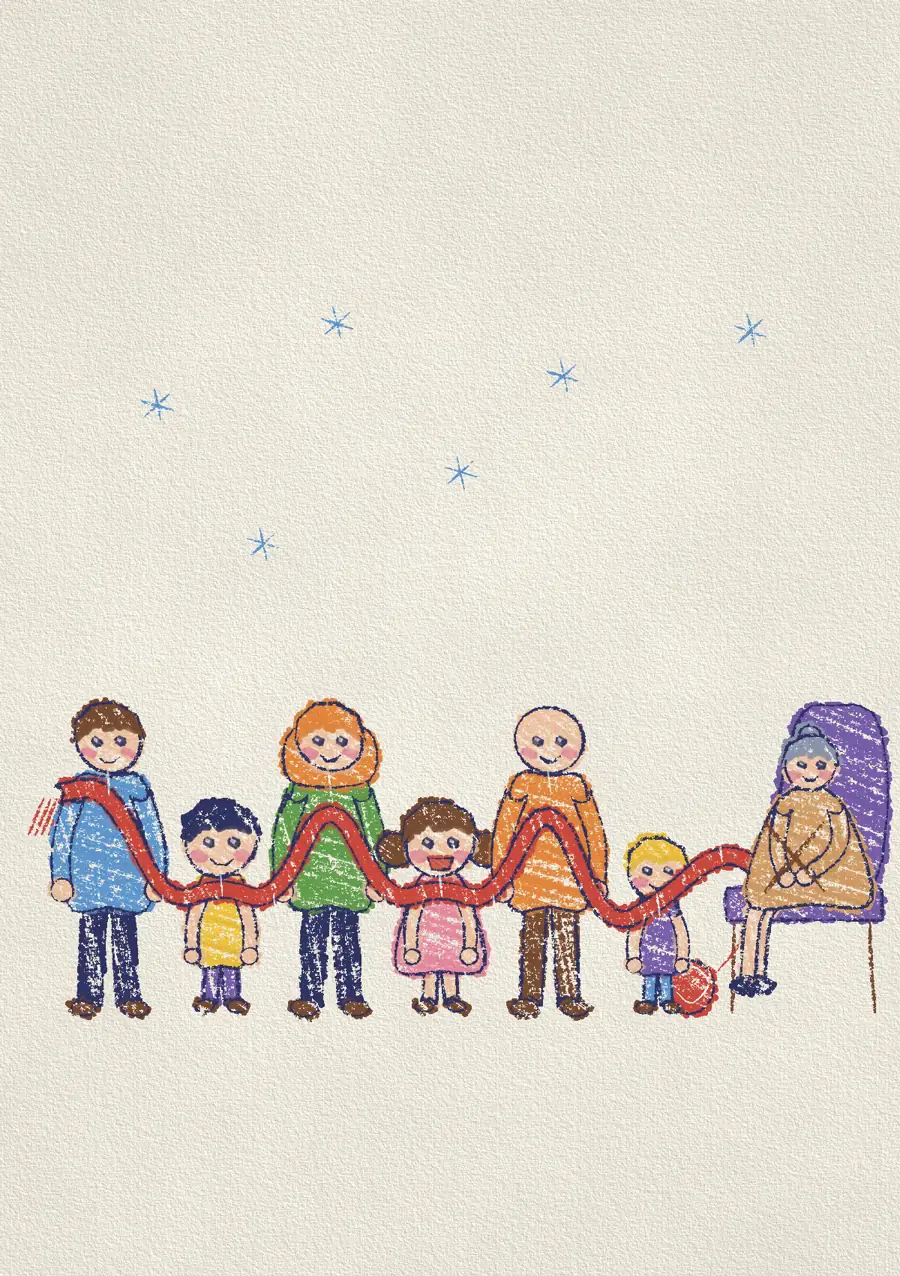
Blankets, sweaters, Christmas stockings. Our film One Scarf for Everyone is about a great-grandma who knitted for the entire family, and a great-grandchild who drew everyone wrapped together in one long red scarf.
Memory boxes: an heirloom for every child
A memory box (or keepsake box) is a simple container for a child's most meaningful things: the hospital bracelet, the first shoes, a lock of hair from the first haircut, a few favorite drawings, report cards, letters from grandparents.
What to put in a child's memory box
- Birth mementos: hospital bracelet, birth announcement, a newspaper from the day
- Firsts: first shoes, first tooth (if you're that kind of family), first haircut curl
- A handful of drawings, chosen carefully, dated and labeled
- Letters, from you and from grandparents, written at different ages
- School items: a report card, a class photo, a first-day sign
Keep it small
The temptation is to keep everything. Resist it. A memory box should be curated, not a storage bin. A child who inherits one carefully chosen box will treasure it. A child who inherits forty bins will feel burdened.
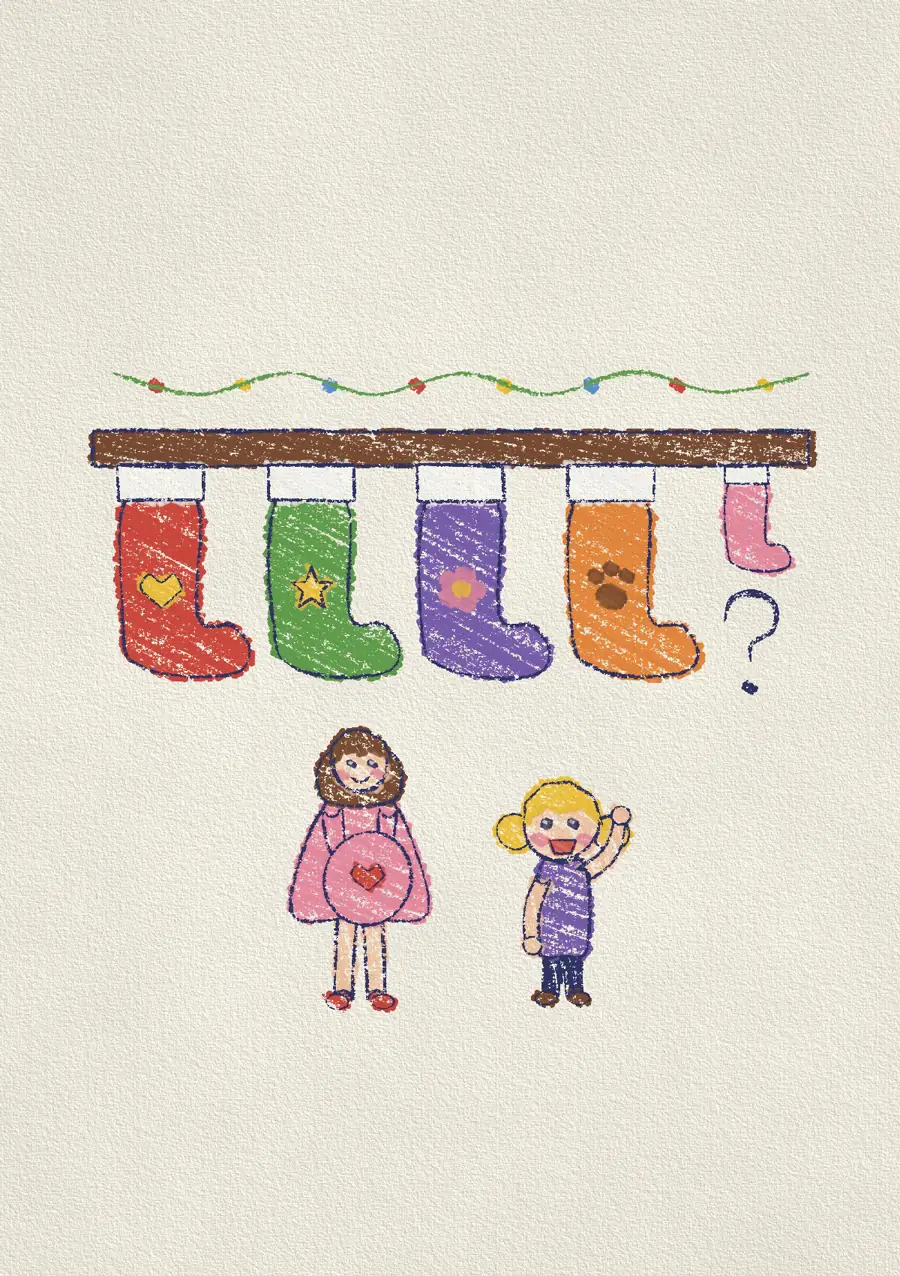
Our film You Kept It? is about a sixteen-year-old who finds a drawing he made at five, and is quietly amazed someone saved it.
How to preserve family keepsakes
Old objects need a bit of care to survive another few decades:
- Store textiles clean, dry and away from light. Acid-free tissue paper and archival boxes help prevent yellowing and creasing. Avoid plastic bags for long-term storage, as they can trap moisture.
- Keep paper flat in acid-free folders, away from attics and basements where temperature and humidity swing.
- Scan or photograph everything paper-based: letters, recipes, drawings. Digital copies protect against loss, and let you share them with every branch of the family.
- Label things. Write names, dates and the story on a card stored with the item. This step is the one most often skipped, and the one future generations will thank you for.
- For valuable or very fragile items, consider asking a professional conservator for advice.
Starting new heirlooms on purpose
You don't have to inherit heirlooms to have them. Every heirloom was once new.
Ideas for starting a family heirloom
- A family Christmas ornament collection, one added each year with the date
- A guest book or tablecloth that everyone signs at holiday gatherings
- A recipe book you write by hand, adding to it over the years
- A letter for each child on each birthday, sealed until they're grown
- Children's art, preserved well: one drawing per year, framed or kept in an archival portfolio
Wearable keepsakes
Some of the most-loved heirlooms are things people wore: a christening gown, a grandfather's sweater, a wedding veil. Clothing carries memory in a very physical way.
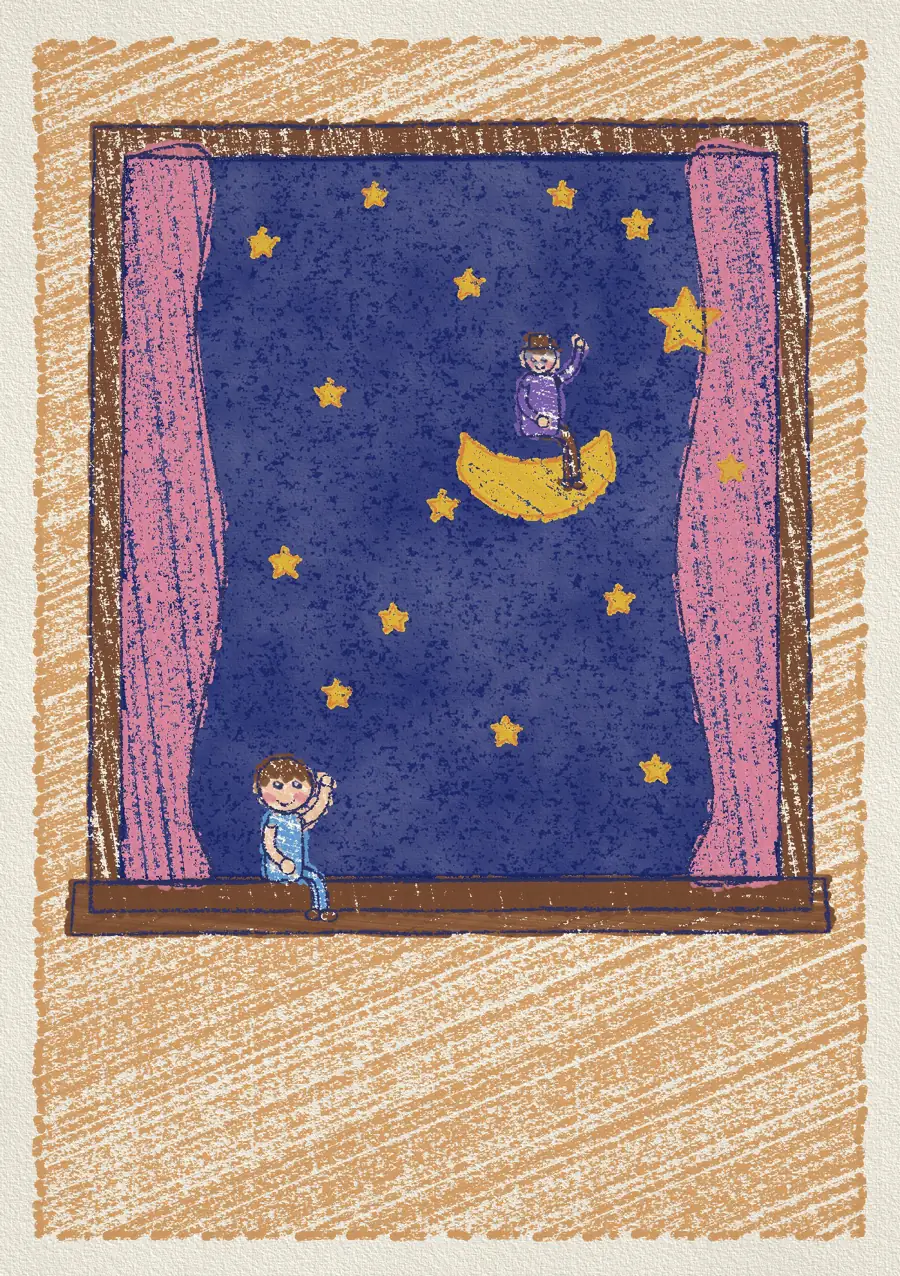
That's part of why we embroider children's drawings at ANORA. A child's drawing stitched on a hoodie or a T-shirt is meant to be worn, and to last. Our film Grandpa in the Window shows how a child's drawing became a gentle keepsake after a loss.
If you'd like to make one, you can upload a drawing here and see a preview before ordering. We keep the child's lines as drawn, so it stays recognizably theirs.
Talking about heirlooms with your family
The best time to collect the stories behind family objects is now. Next time grandparents visit, ask:
- "Where did this come from?"
- "Who made it?"
- "What do you remember about it?"
Write the answers down. That's how an object becomes an heirloom.
Frequently asked questions
What counts as a family heirloom?
Any object passed down through generations because of its meaning to the family: quilts, jewelry, recipe cards, letters, tools, gowns, furniture or artwork. Its value is usually sentimental rather than monetary.
How do you start a family heirloom?
Choose an object with meaning, use it, record its story, and pass it on deliberately. Traditions like a yearly ornament, a signed tablecloth or birthday letters can become heirlooms over time.
How should you store children's keepsakes?
In a clean, dry place away from direct light, using acid-free boxes and folders where possible. Label each item with the date and story, and scan paper items as a backup.
What should I put in a child's memory box?
A few curated items: birth mementos, firsts, a handful of dated drawings, letters from family and a few school keepsakes. Keeping it small makes it more meaningful.